
How we prepared as a community and how we showed up for each other at COP30 in Belém.
A blog by Josianne Gauthier, CIDSE Secretary General.
For 18 months we prepared in countless online and in-person meetings to reflect on how this COP would be different and why it mattered for us as faith actors and civil society. This was going to be the People’s COP, the COP of the Amazon, of Solidarity, in the Global South, in the Jubilee year, ten years after the Paris Agreement and ten years after Laudato Si’. One way that CIDSE prepared was by hosting two Systemic Change Dialogues, and listening to different voices from a wide range of civil society actors from around the world which we collected into a manifesto and a call to action that helped shape and strengthen our presence.

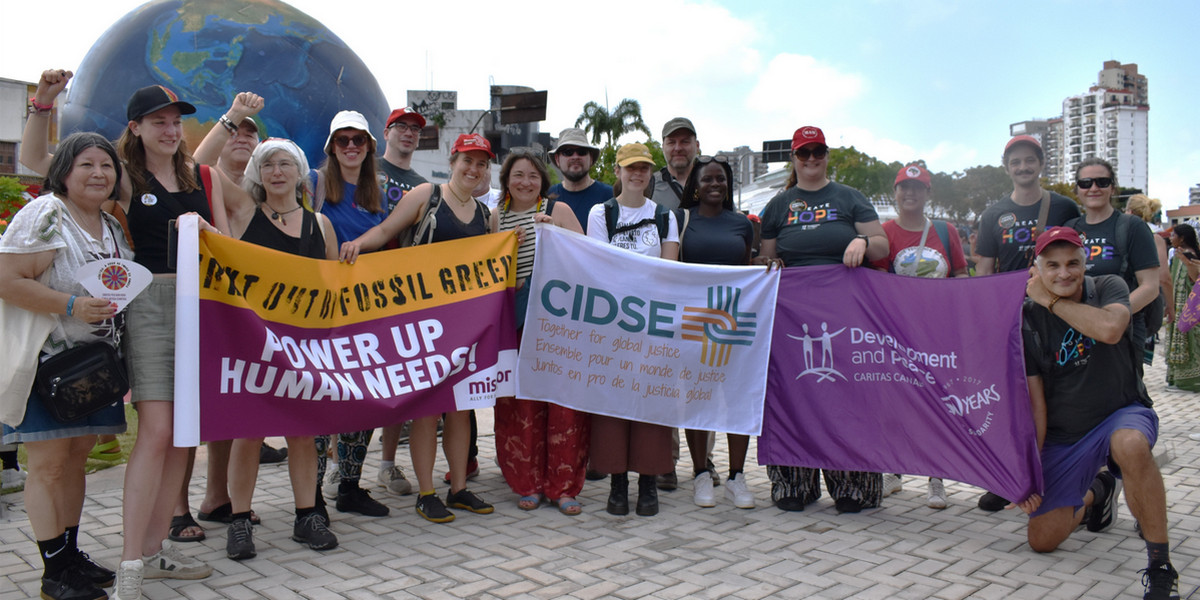
Others were organising as well. The Brazilian and broader Latin American Church present in the Amazon region prepared the ground for two years leading up to COP30 in Belém with pre-COPs, assembling the voices of communities through a synodal path of listening. The Bishops’ Conferences of Asia and of Africa even joined the Latin American Bishops’ Conferences in a call to action and powerful message to political leaders ahead of the COP. As CIDSE, we brought together our members in a joint effort to engage directly in advocacy for greater climate justice through more ambitious commitments to emissions reductions and climate finance, and a fair, just, and sustainable transition away from fossil fuels in a post extractivist vision. Our delegation of 40 plus voices on the ground from different members and countries was present inside and outside the COP venue, actively engaging in the Peoples’ Summit and Church and Ecumenical spaces such as the Tapiri dialogue. We were conscious of the challenges and limitations of spreading our voices across these very different environments, but it was essential that we be witnesses and actors of the systemic transformations that will be required of us all if we are serious about our future together on this planet.
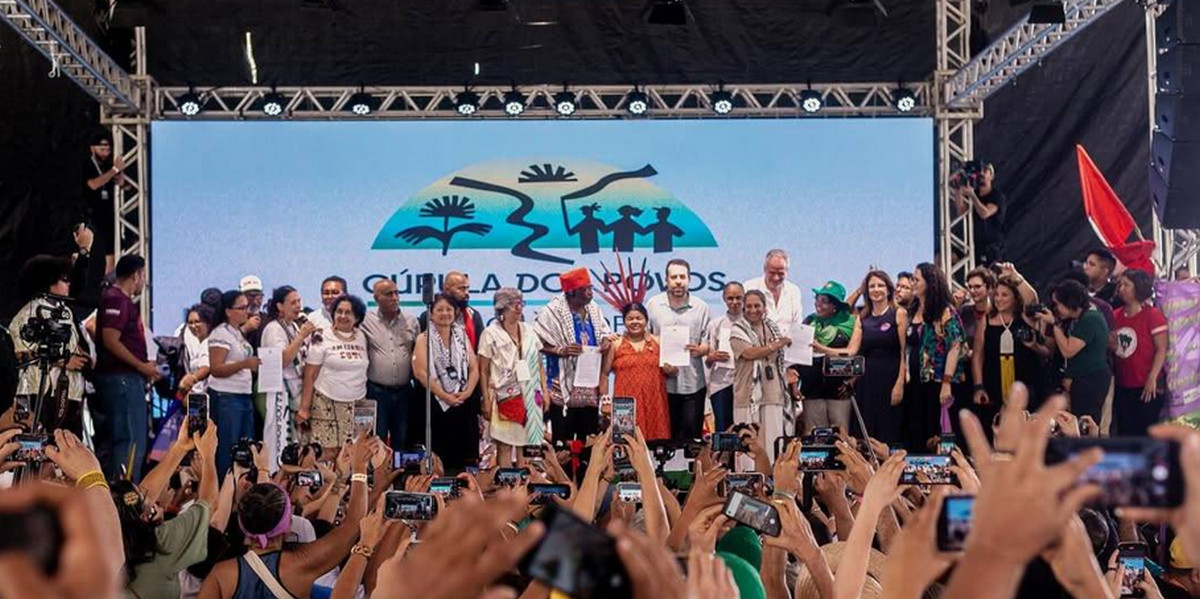
We all had our priorities and objectives we wanted to reach, the people we knew we must connect with, the asks we hoped would be heard, and we set out with all of our energy and commitment to make our presence matter in some way. So, how did we do? A colleague asked me upon my return: “Are you happy you went? Was it worth all the effort and the cost?” He was not just referring to the financial cost, but also the cost in time, to family, and in emissions. Was it worth it? This question can only be answered by paying attention to the thousands of small miracles and victories that we have noticed and measured quite differently from how we track our policy asks. We measure them in the quality of the connections, the depth of conversations, the coherence with our values, the effects on our body and on our souls to have been together in this place at this time in our collective journey.
We showed up and we worked together, and will continue doing so long after the events surrounding COP30 have passed. This is not a one-off, short-term, or temporary appearance at a global summit, this is about long-term solidarity and commitment to justice and about cherishing and nurturing community at local, regional and global levels.
What we learned and how we assess the impact and relevance of our engagement inside and outside the official COP venue.
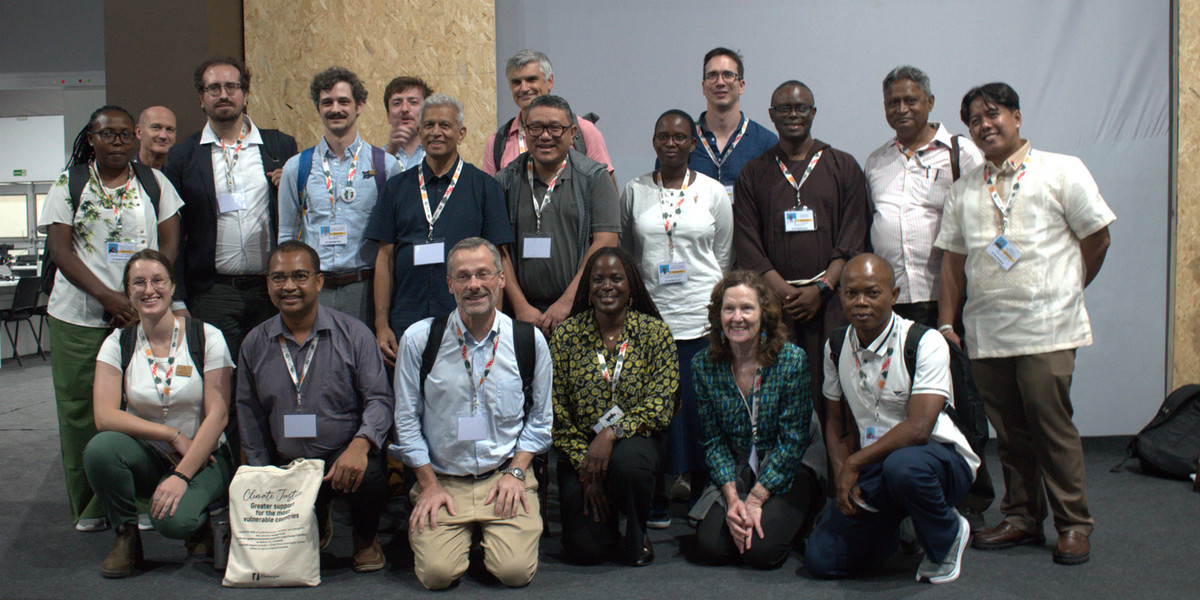
Connection: in an increasingly divided world, where isolation and growing individualism is feeding extremism and nationally centric policies and politics, human connection is fundamental to battling the sense of being alone in the face of such immense challenges. Inside the COP, we saw how connecting with other Catholic Actors, exchanging with the Holy See Delegation, participating in events organised by ecumenical and other civil society allies strengthened our connections and allowed us to broaden our networks and the people we count on for expertise and support going forward. Outside the COP, the spaces were even more suited for connection as this was one of the main objectives along with strategising. This was particularly true of the Peoples’ Summit where global partners were leading many of the events and discussions in a festive and inclusive spirit mixing joy with ambition, realism with activism.
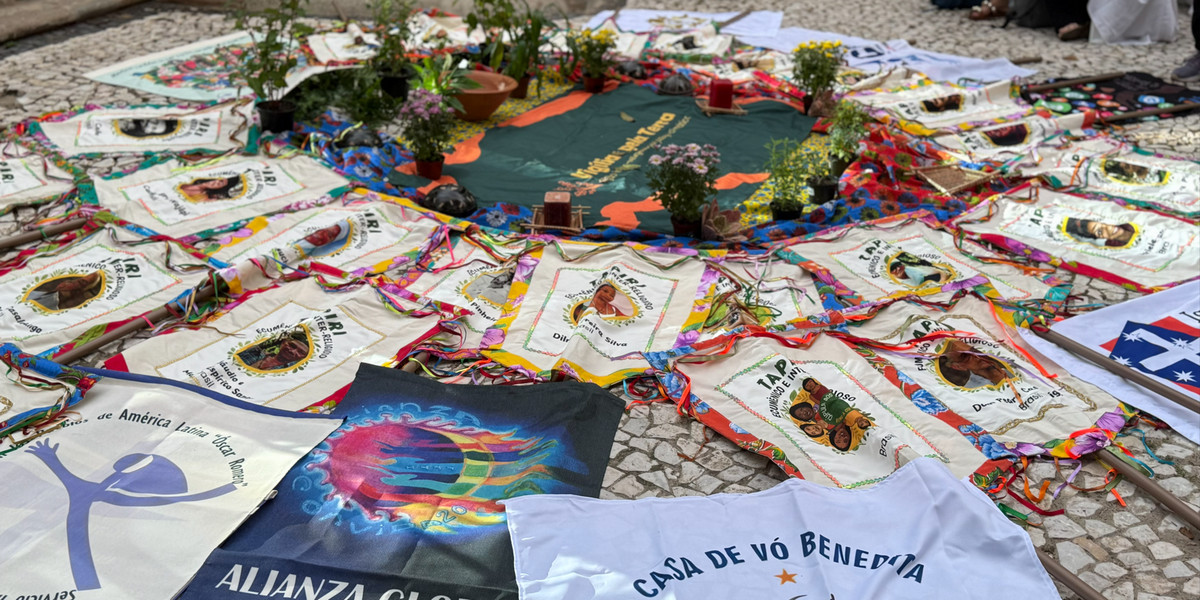
Spiritual nourishment: we do not always understand this as essential or as a tangible indicator of success in our work, but this is where we replenish our hope and energy. The opportunities for spiritual nourishment are rare in most work environments, and can feel like a luxury or an afterthought, but when they are embedded in your work and in your activism, they can help you deepen your action and alignment, especially in distracting and tense, high-stakes situations such as the COP. The anxiety and distress we are collectively feeling when we see the slow pace of positive change and the speed of climate disruption as well as the prevalence of injustice and violence need to be addressed. The spaces created through our Catholic, Ecumenical and inter-religious alliances have allowed us to reconnect with our values and continue to believe in what we are fighting for.
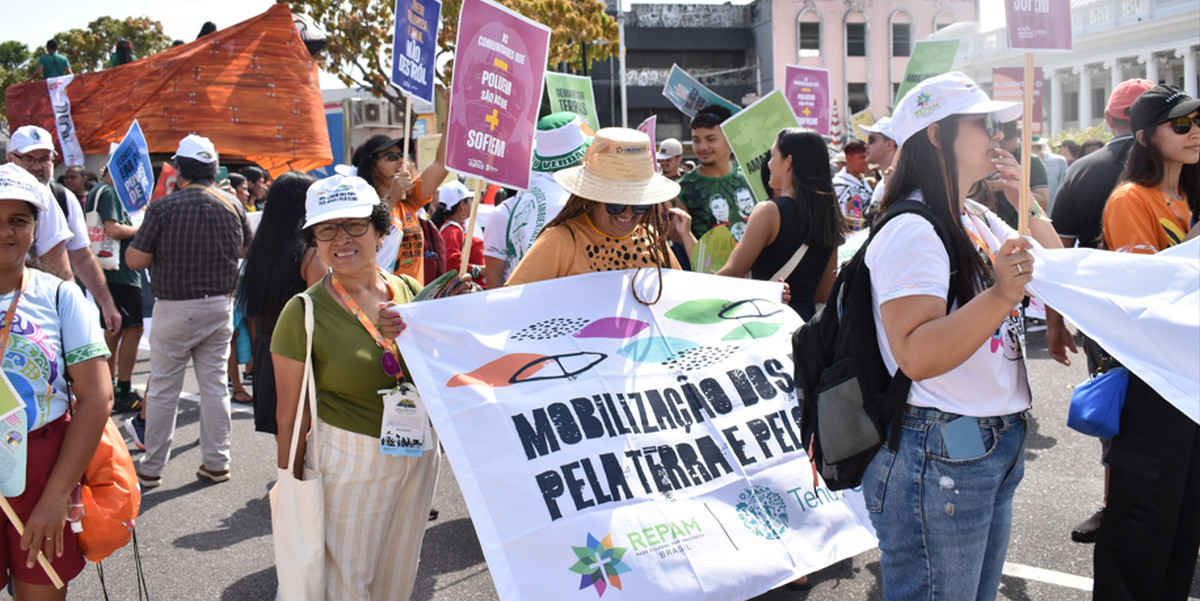
Solidarity and the power of community: rather than only focus on all the things we did not achieve, we can affirm that as a community, we were in solidarity with each other and we held the line. This is a mighty weapon against feeling powerless. The impact of the external mobilisation and presence of thousands of people at the Peoples’ Summit and the Global Climate March may never be fully measured. Working together, in all our diversity, held by the values and objectives that unite us, we marched and sang joyfully for and with each other and for something greater than ourselves.
What happens next?
We prepare for the next gathering to be held in Türkiye in 2026 (COP31), and we talk about our experience and our hopes, and face our grief together. While holding the line for climate justice, for the Paris Agreement, and integral ecology, we continue to fight for the radical transformation of our economic system which is feeding the destruction of our planet and our children’s future. We will continue to connect, in solidarity, and act together, every day, intentionally, measuring our success in a thousand small acts of resistance and faith.
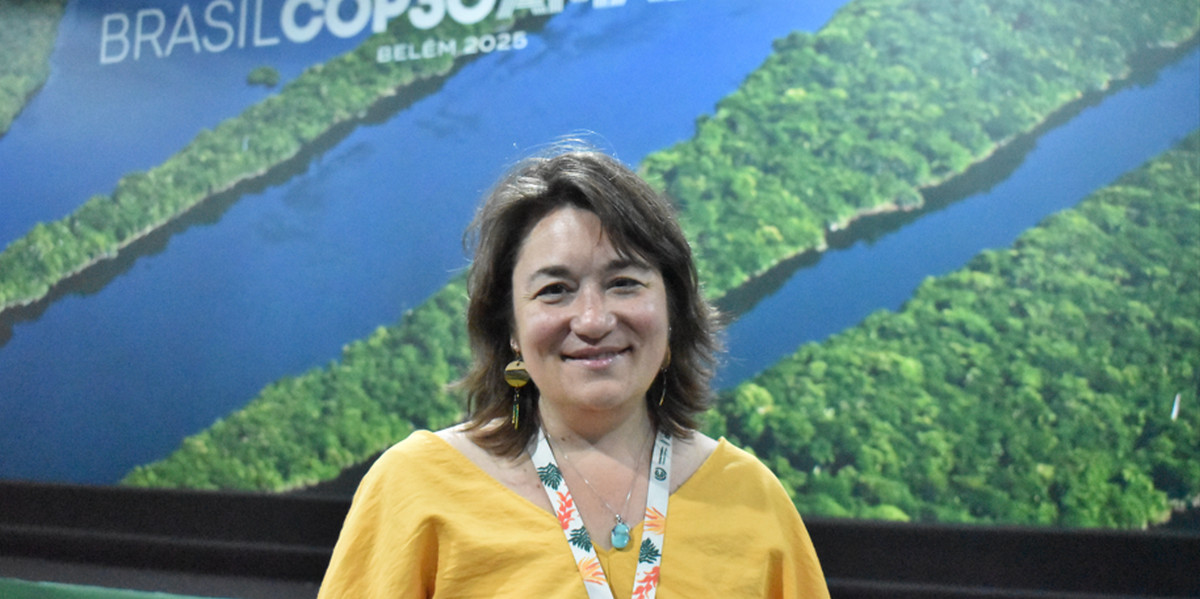
Cover image: Josianne Gauthier at COP30. Credit: CIDSE.