
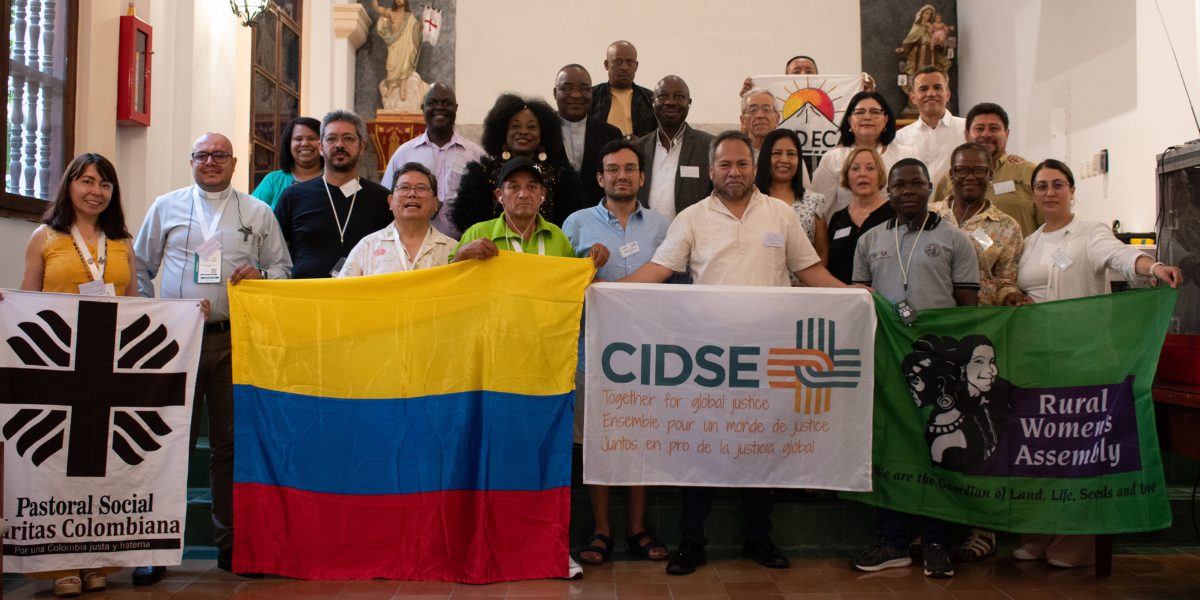
In the vibrant and colorful city of Cartagena, Colombia, something powerful started. From 24 to 28 February 2026, the second International Conference on Agrarian Reform and Rural Development (ICARRD+20) brought together a remarkable convergence of voices from peasants to indigenous peoples, artisanal fishers to pastoralists and rural workers, all united by a shared conviction: that land justice is not a distant ideal, but an urgent, living necessity.
This second edition saw a renewed commitment to an enduring challenge: access to and control over land and food sovereignty. Two decades on, the debates have not disappeared; if anything, they have deepened. Control over land and territories, biodiversity loss, climate change, and the rights of rural communities remain as urgent as ever, their threads inseparably intertwined.
The scale of the gathering reflected just how much is at stake. ICARRD+20 brought together more than 4,5 thousand participants from 102 countries, concluding with a final declaration, setting a course of action and affirming that agrarian reform must be at the heart of a just, resilient, and sustainable future.
The warmth of Cartagena was more than just the weather. It was felt in the meeting of struggles and stories, in the alignment of calls rising from the ground up, in the recognition that the solutions to our deepest ecological and social crises are already there and are being carried by the communities who have always lived in a direct and connected relationship with the earth.
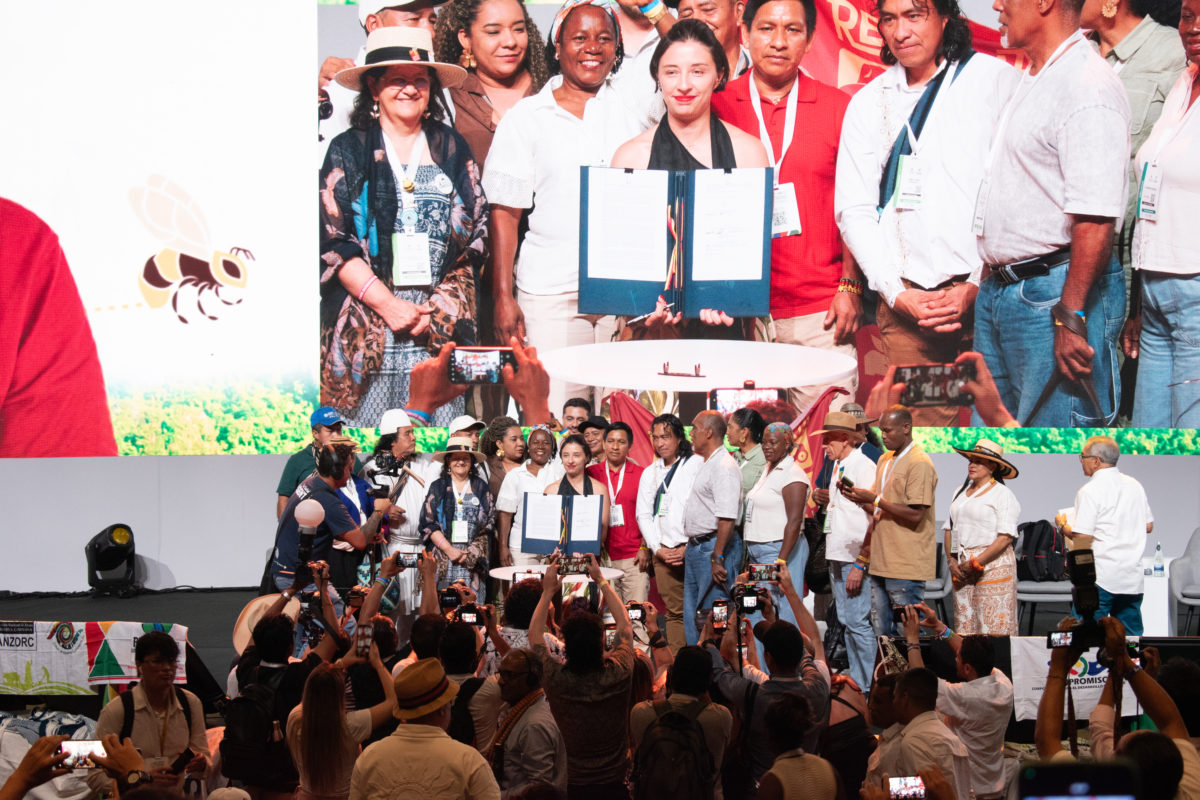
Building Bridges from the Ground Up
Before the official conference even began, momentum was already building. Nearly 300 delegates from 70 countries, organised through the International Planning Committee for Food Sovereignty (IPC), gathered for a two-day autonomous forum, the Social Movements Forum, to unify their voice. They came not only to name their struggles, but to share the solutions they are already living. Solutions to the loss of biodiversity, to the erosion of seed diversity, to the denial of food sovereignty.
The message was clear and consistent: the answers exist. We need only to listen — and to reconnect with the earth.
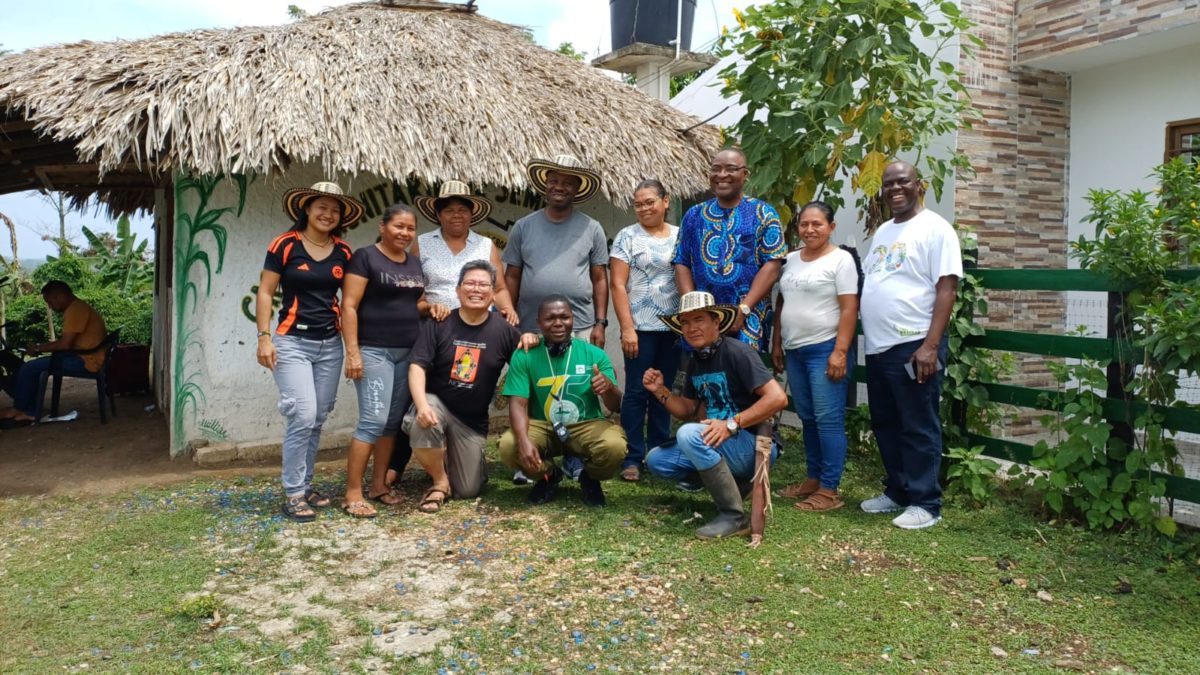
This was exactly what key members of AFSA and SECAM witnessed during a two-day learning and exchange visit to the Indigenous Zenú community in San Andrés de Sotavento. The first community in Colombia to declare their territory a GMO-free zone, the Zenú shared their production practices, biodiversity conservation, and regeneration measures — a living example of integral ecology in practice, and of what it means to reclaim land, seed, and self-determination.
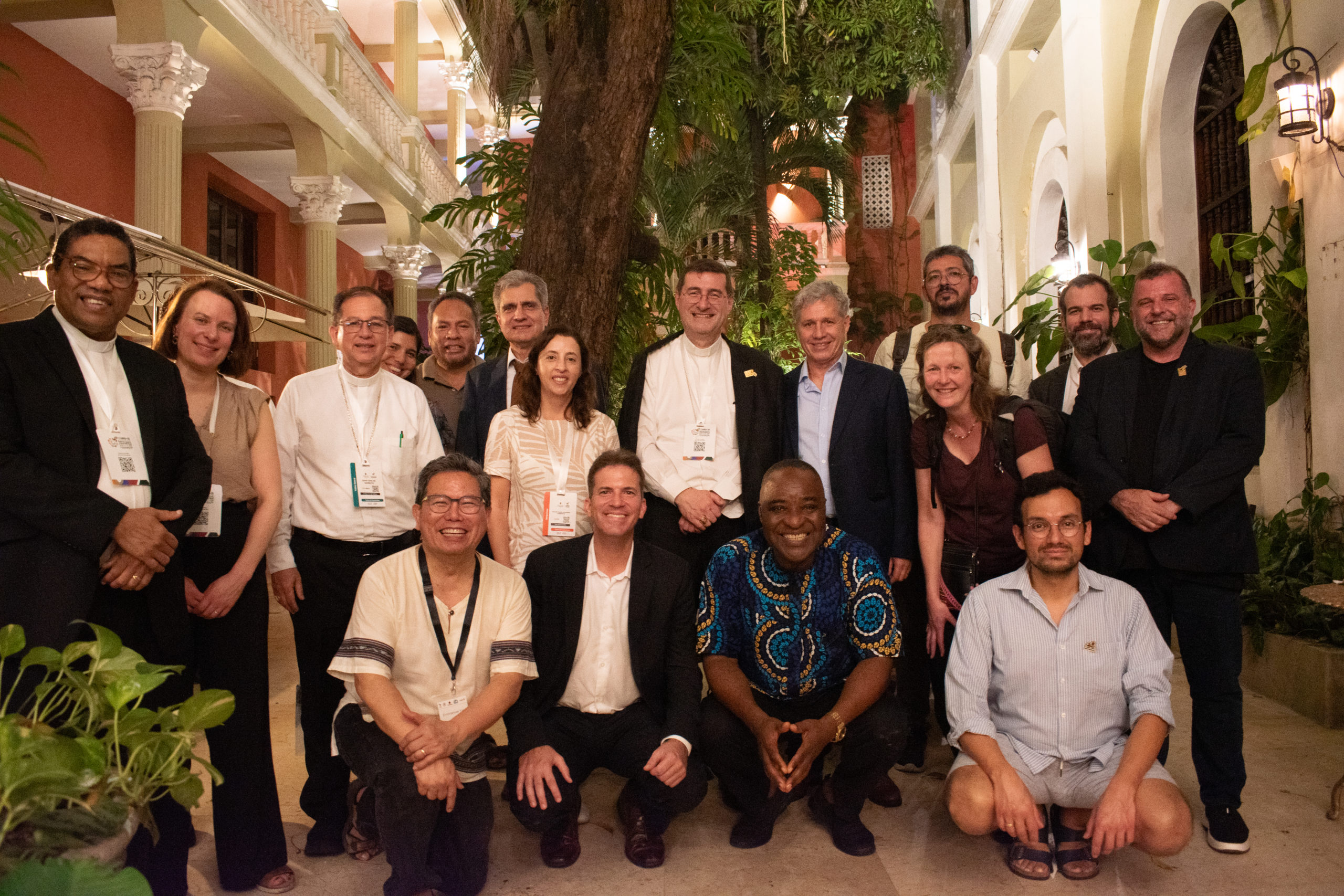
CIDSE’s delegation in Cartagena brought together representatives from the secretariat, member organisations, partners, and allies with a shared strategy: to ensure that the voices and demands of communities on the ground shaped the conversations in the halls of power above.
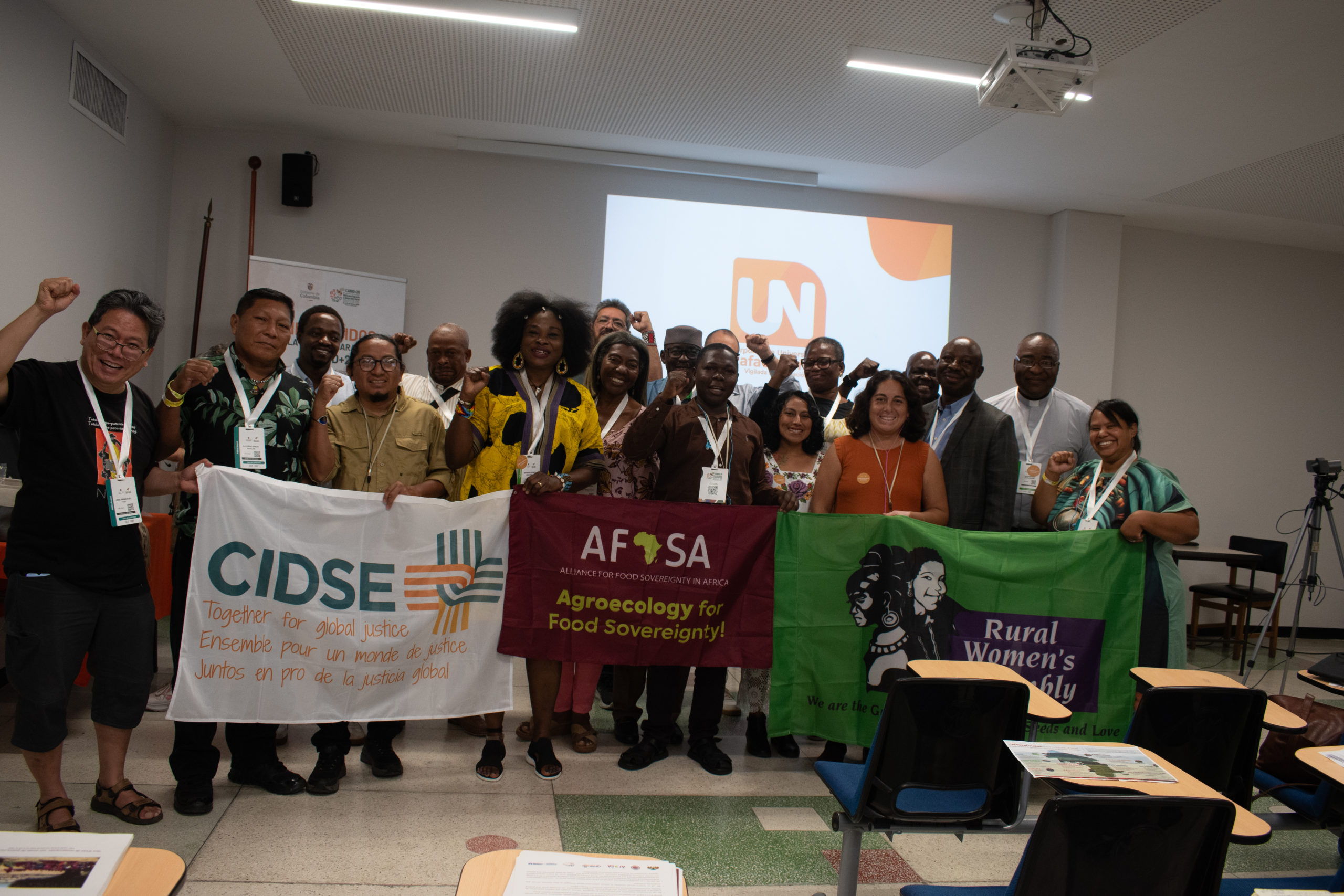
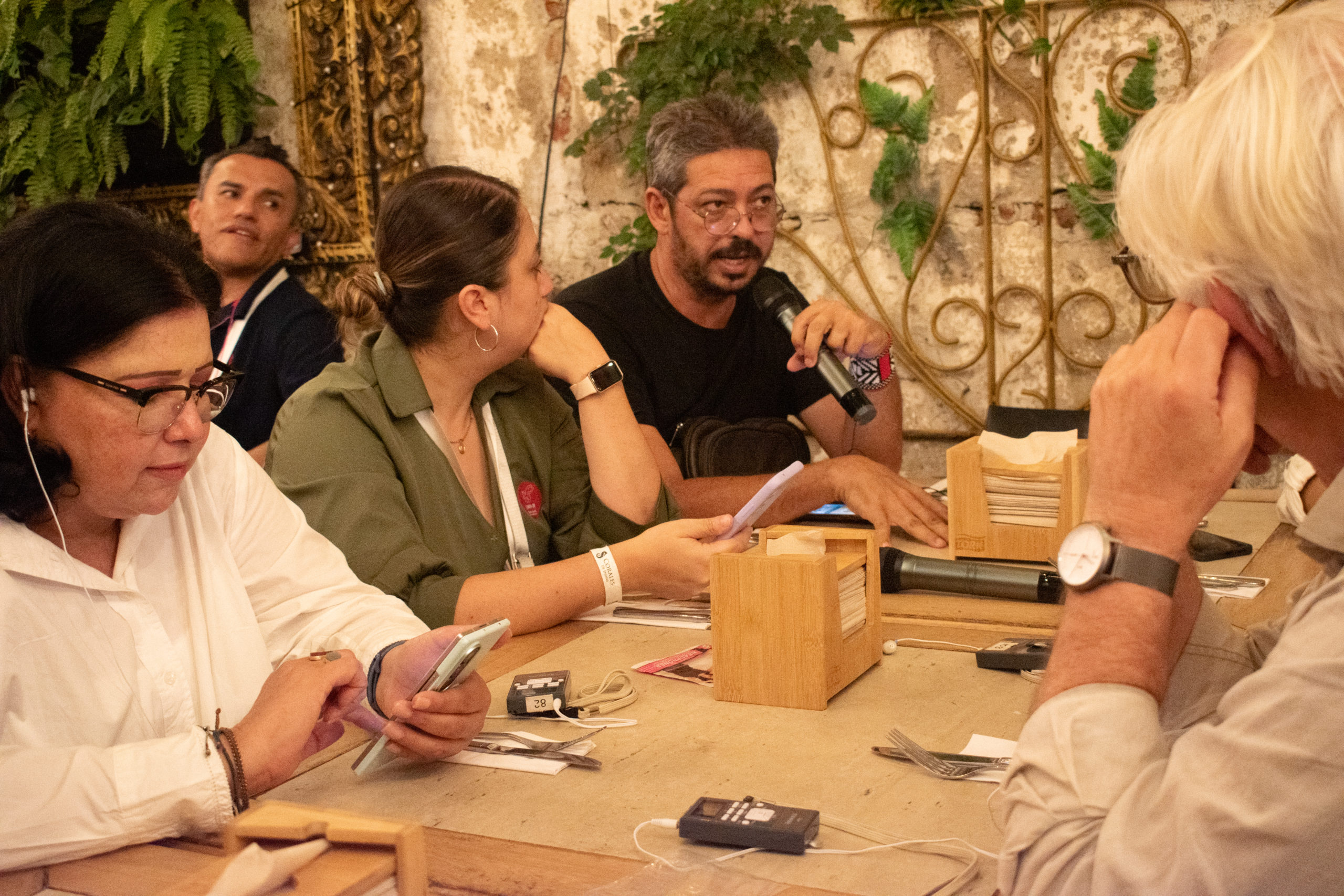
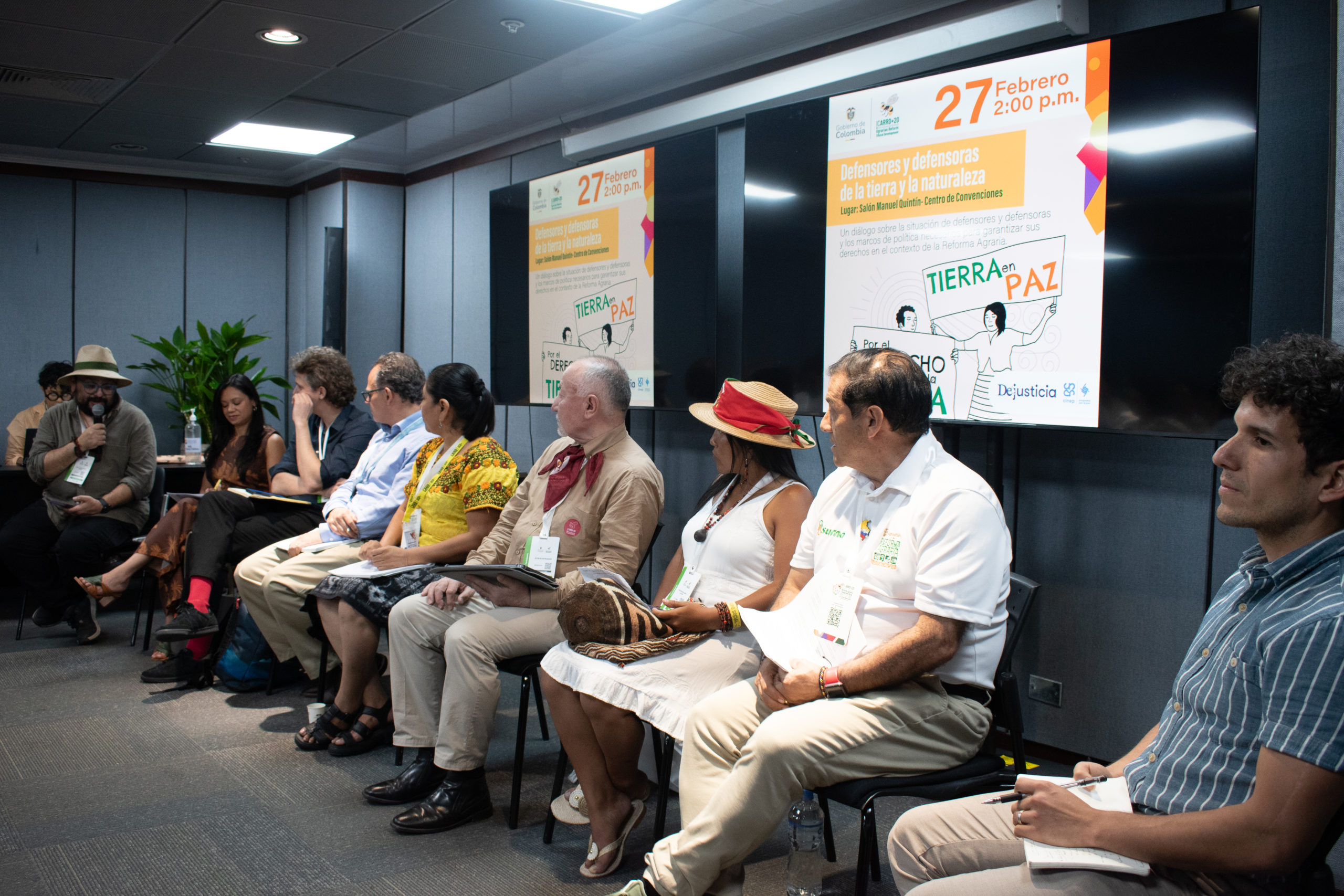
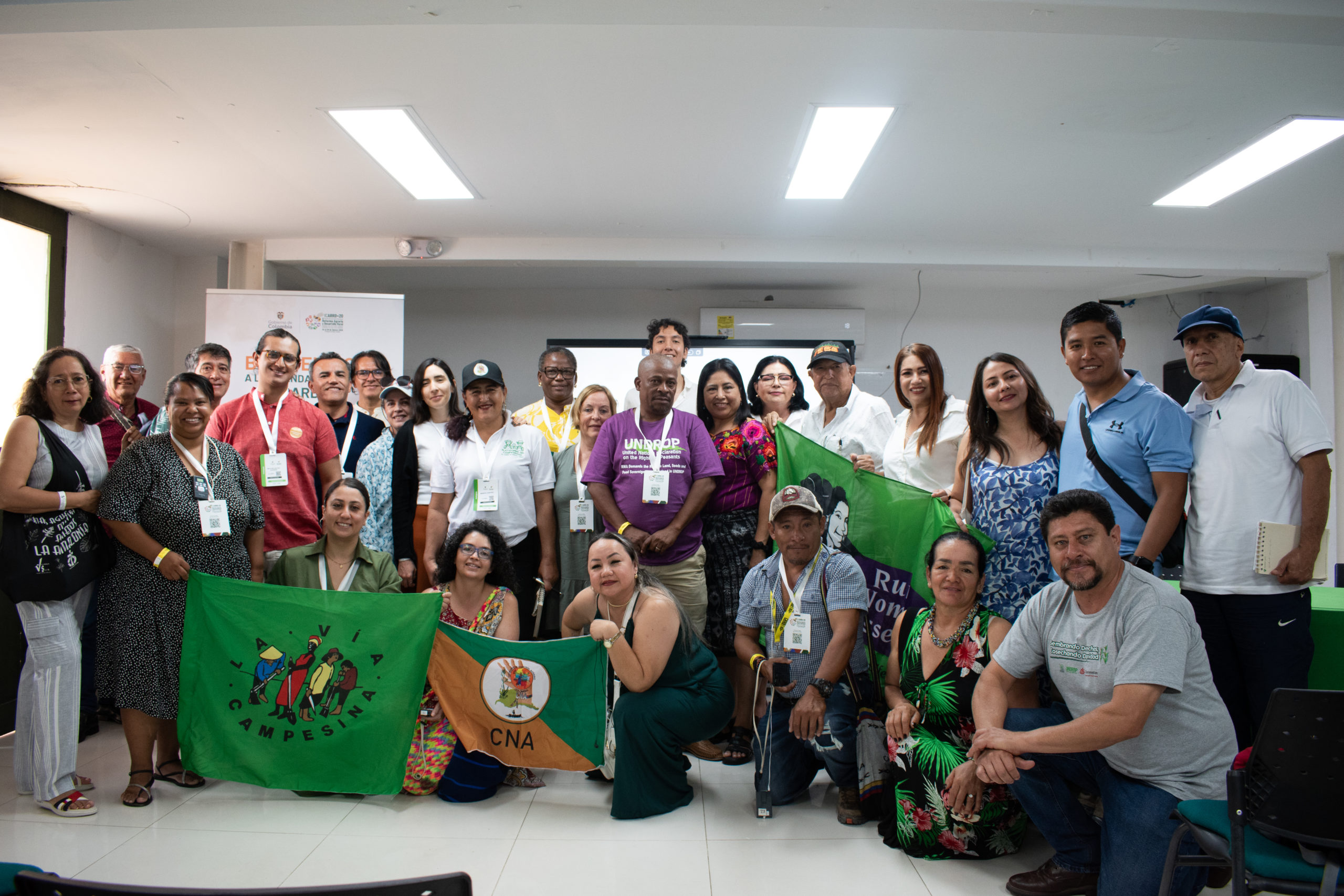
Together, we participated in a series of side-events both inside and outside the official conference space, bringing to the floor the experiences of partners working across Latin America and Africa, and drawing the connections between practices on the ground from Guatemala to South Africa.
One of CIDSE’s most distinctive contributions was bringing Catholic faith actors from the Global South into meaningful engagement with the conference. A dinner event and panel discussion with ministerial and high-level government representatives from South Africa, Germany, and Brazil was organised in collaboration with CELAM, SECAM, the Colombian Catholic leaders, and the Holy See representative in Colombia.
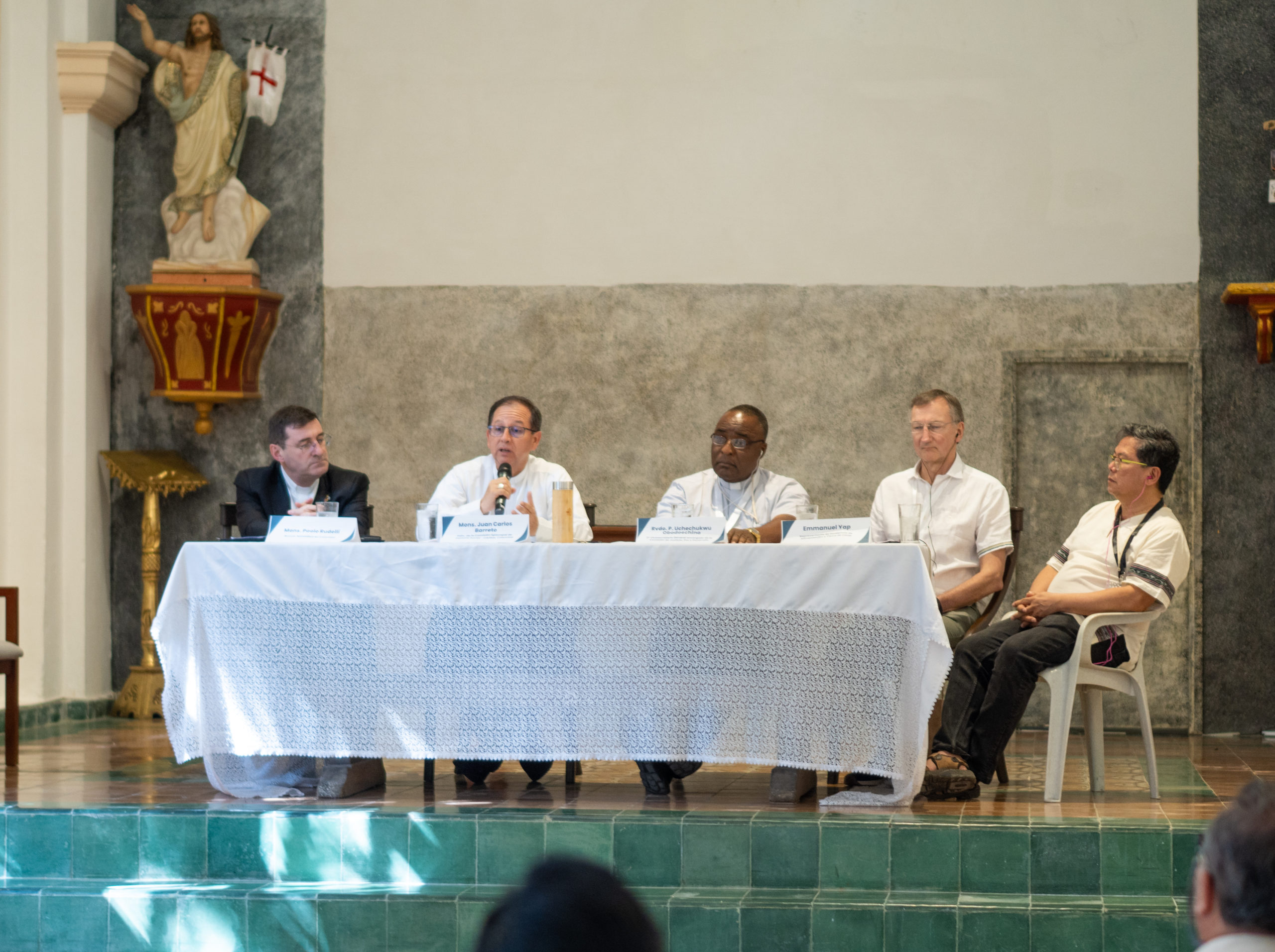
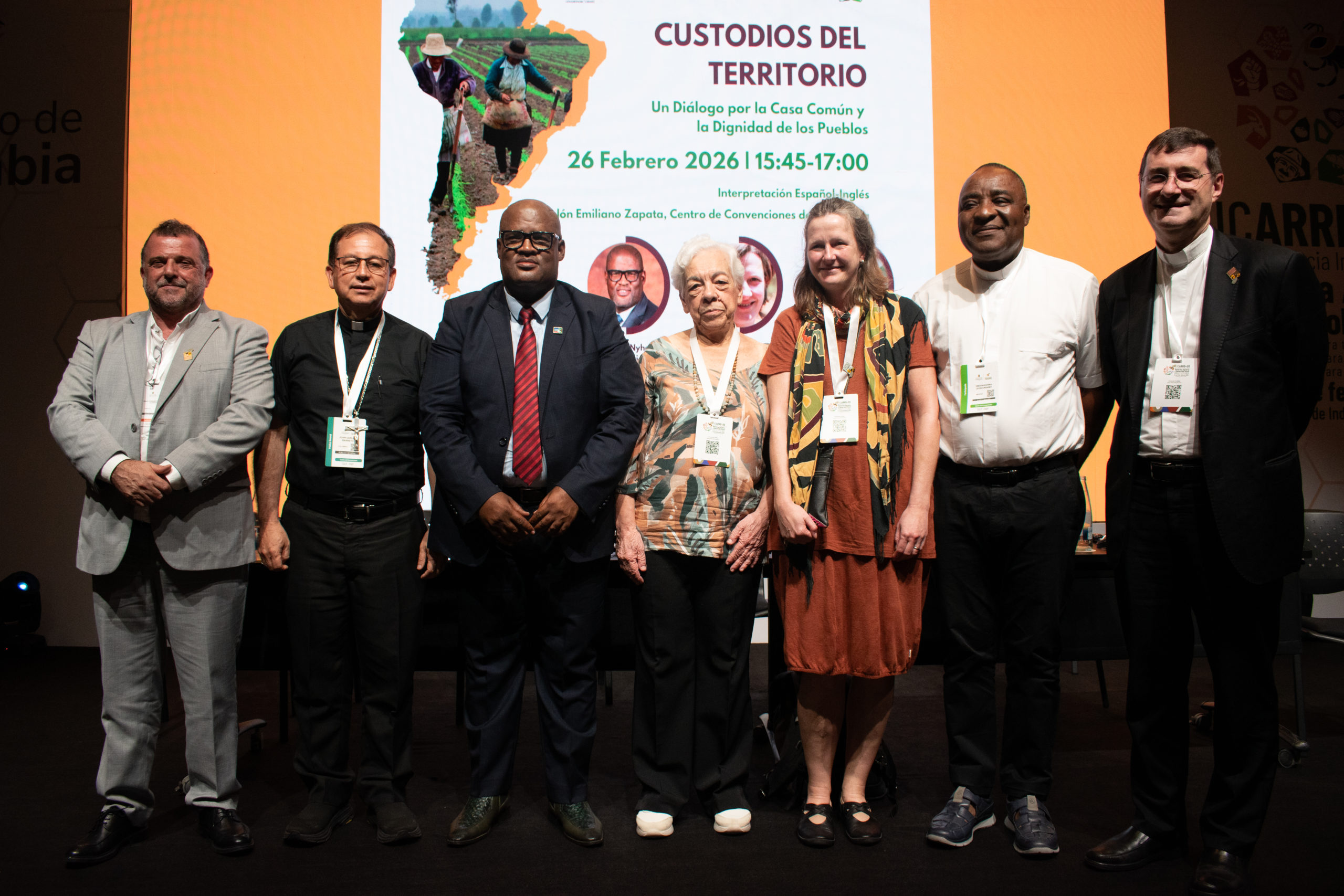
Together with the World Council of Churches, Laudato Si’ Intercultural Association (Luxembourg), Caritas Internationalis and CELAM, CIDSE also co-initiated an ecumenical joint sign-on statement. The three Bishops’ Conferences from Latin America and the Caribbean (CELAM), from Africa and Madagascar (SECAM), and Federation of Asian Bishops’ Conferences (FABC) released a post-ICARRD+20 joint statement to guide Catholic actors in post-conference advocacy — placing land rights and the demands of social and peoples’ movements at the table in upcoming global climate negotiations. Both statements were presented at the Press Conference “A Cry from the Global South for Integral Agrarian Reform”.
Equally significant was the bridge CIDSE helped build between Church actors and social movement leaders, including La Via Campesina and the Pastoral Land Commission (CPT) from Brazil. These alliances go beyond formal negotiations — they are relationships rooted in shared values and a common commitment to dignity for rural peoples.
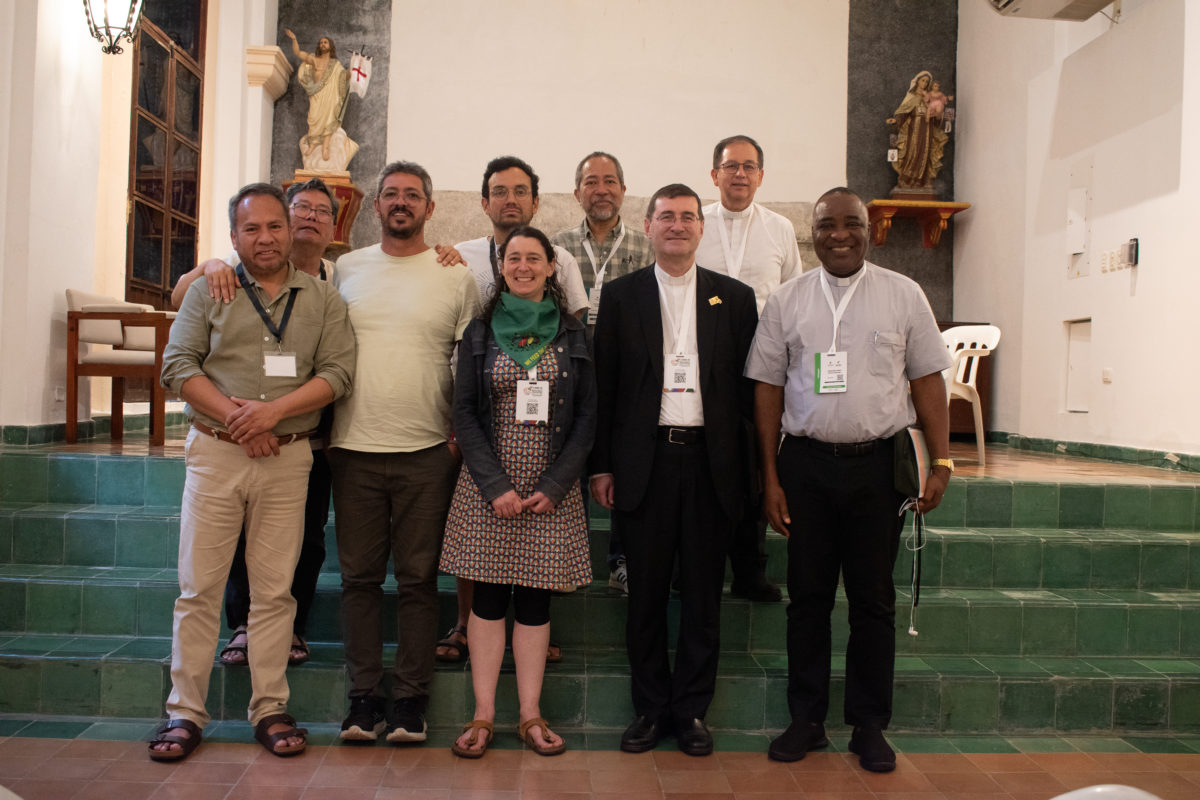
In Cartagena, CIDSE demonstrated that faith communities are not bystanders in the struggle for agrarian justice. They are actors, connectors, and advocates.
A Commitment Renewed
CIDSE left Cartagena with renewed commitments: to keep elevating the voices of those on the frontlines of land and food struggles, to strengthen the alliances built in those sun-filled days, and to hold governments accountable for the promises made.
Additional reading and resources
- An overview of CIDSE’s activities during ICARRD+20.
- CIDSE at ICARRD-20 Flickr Album
- Protect Our Land, Restore Our Soil: Collective Territorialities for Land Justice, Pastoralist Futures, and Ecological Restoration, Joint Civil Society Statement. (EN – FR)
- Statement by Faith communities at ICARRD+20, Cartagena, Colombia.
- A cry from the Global South for integral agrarian reform, Message from the Latin American and Caribbean Episcopal Council (CELAM), the Symposium of Episcopal Conferences of Africa and Madagascar (SECAM) and the Federation of Asian Bishops’ Conferences (FABC) on the Occasion of ICARRD+20.
- ICARRD+20 final declaration with the list of the countries that participated in the drafting committee.
- IPC political declaration at the closing session.
Contacts:
Emmanuel Yap, Food and Land Policy Officer (yap(at)cidse.org)
Annia Klein, Communications Officer (klein(at)cidse.org)
Cover photo: CIDSE Delegation at ICARRD+20. Credit: CIDSE.