
BUILDING RESILIENCE AND FOOD SOVEREIGNTY
As successfully meeting development and sustainability goals requires a paradigm shift, CIDSE advocates for radical changes towards just, resilient and sustainable models of food systems. We strongly believe that agroecology and its principles – when firmly rooted in food sovereignty and climate justice – are the way to move away from a model that threatens present and future agricultural production and food security (biodiversity losses, soil degradation, soil erosion…) while meeting the long-term goal of 1.5°C and contributing to the full realisation of the right to food.
CIDSE currently works to promote and advocate for agroecology within debates in civil society on these issues, and in high-level policy processes. We also gather and share experiences and knowledge in our network on agroecological systems and with movements that are applying the principles of agroecology.
To understand more about our position on food systems, read our landmark publication ‘The Principles of Agroecology’, available in 7 languages in pdf or as a multimedia website.

Manny Yap
yap(at)cidse.org
Stories


Publications


-
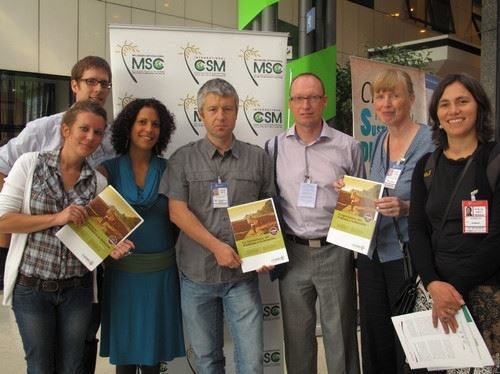
Food and climate: how my lunch relates to drought in
October 11, 2012This week (15-20 Oct) in Rome, CIDSE urges decision makers to support ecological food production systems to reduce emissions and […]
-
Small scale and sustainable agriculture to feed world in the
October 10, 2012Small scale and sustainable agriculture to feed world in the throes of climate change, says new CIDSE report launched in […]
-
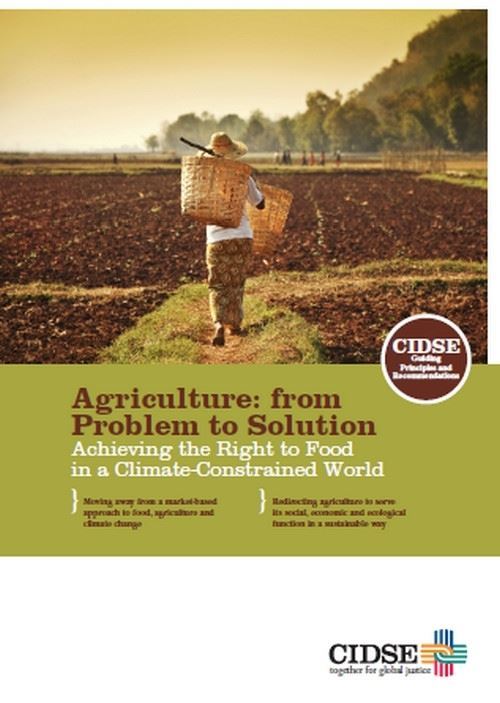
Agriculture: from Problem to Solution
October 9, 2012Agriculture: from Problem to Solution – Achieving the Right to Food in a Climate-Constrained World. CIDSE Guiding Principles and Recommendations, […]
-

EU biofuels: Palm oil boom harms indigenous people, Indonesian expert
October 8, 2012EU biofuels: Palm oil boom harms indigenous people, Indonesian expert warns policy makers at the EU Dev Days
-
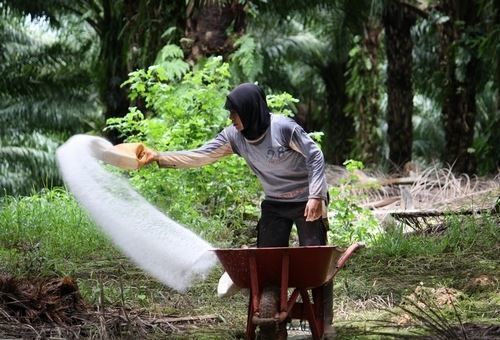
Indonesia: “Indigenous people suffer the palm oil boom”
October 2, 2012Indonesia produces 44% of palm oil worldwide. Rahmawati Retno Winarni of SAWIT Watch explains the negative impacts of the palm […]