
BUILDING RESILIENCE AND FOOD SOVEREIGNTY
As successfully meeting development and sustainability goals requires a paradigm shift, CIDSE advocates for radical changes towards just, resilient and sustainable models of food systems. We strongly believe that agroecology and its principles – when firmly rooted in food sovereignty and climate justice – are the way to move away from a model that threatens present and future agricultural production and food security (biodiversity losses, soil degradation, soil erosion…) while meeting the long-term goal of 1.5°C and contributing to the full realisation of the right to food.
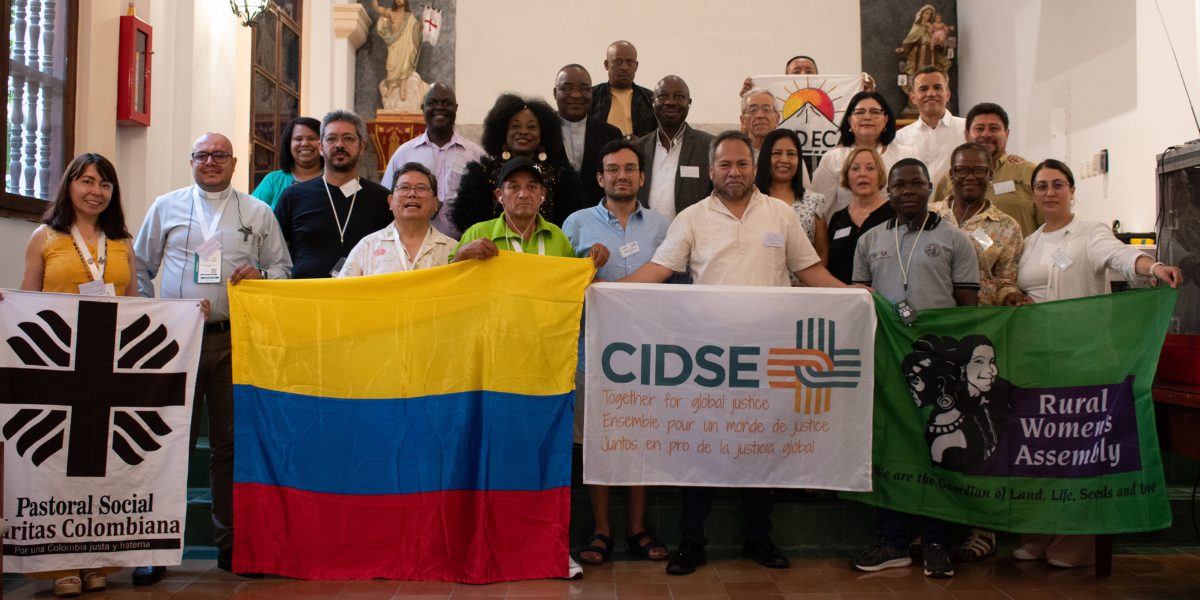
CIDSE currently works to promote and advocate for agroecology within debates in civil society on these issues, and in high-level policy processes. We also gather and share experiences and knowledge in our network on agroecological systems and with movements that are applying the principles of agroecology.
To understand more about our position on food systems, read our landmark publication ‘The Principles of Agroecology’, available in 7 languages in pdf or as a multimedia website.

Manny Yap
yap(at)cidse.org
Stories

Publications


-
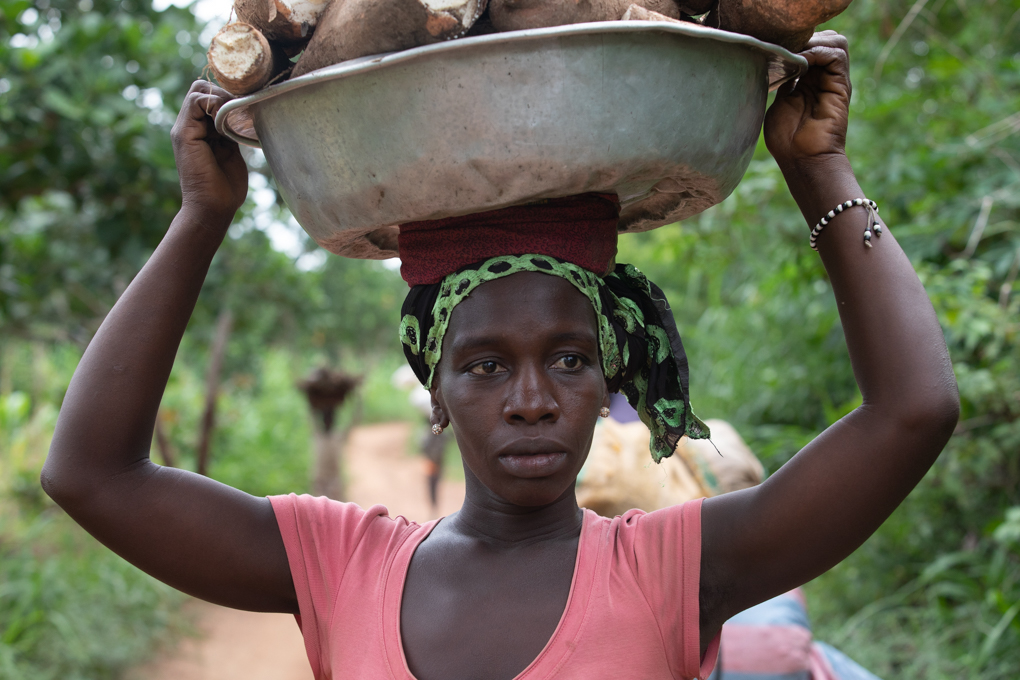
CIDSE Press Release EU-AU Summit
February 11, 2022Italian version The EU and the AU are building a partnership that ignores the real demands of African people. The […]
-
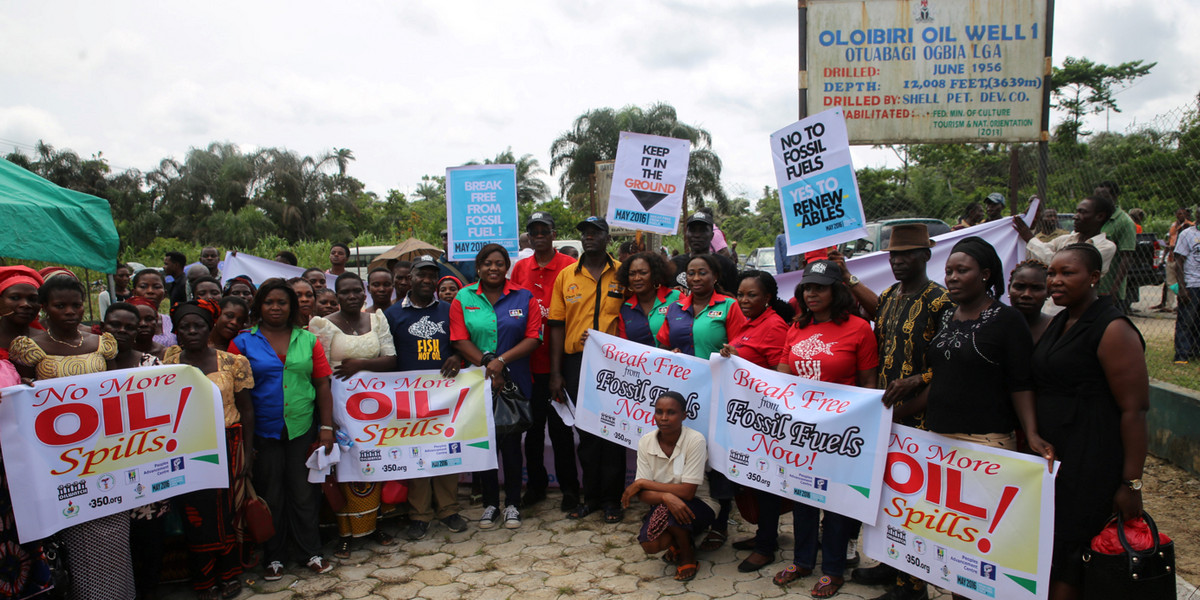
Reflecting on the upcoming EU-AU Summit
February 10, 2022Interview with Fr. Chika Onyejiuwa, Executive Secretary of the Africa Europe Faith and Justice Network (AEFJN). On 17 and 18 […]
-
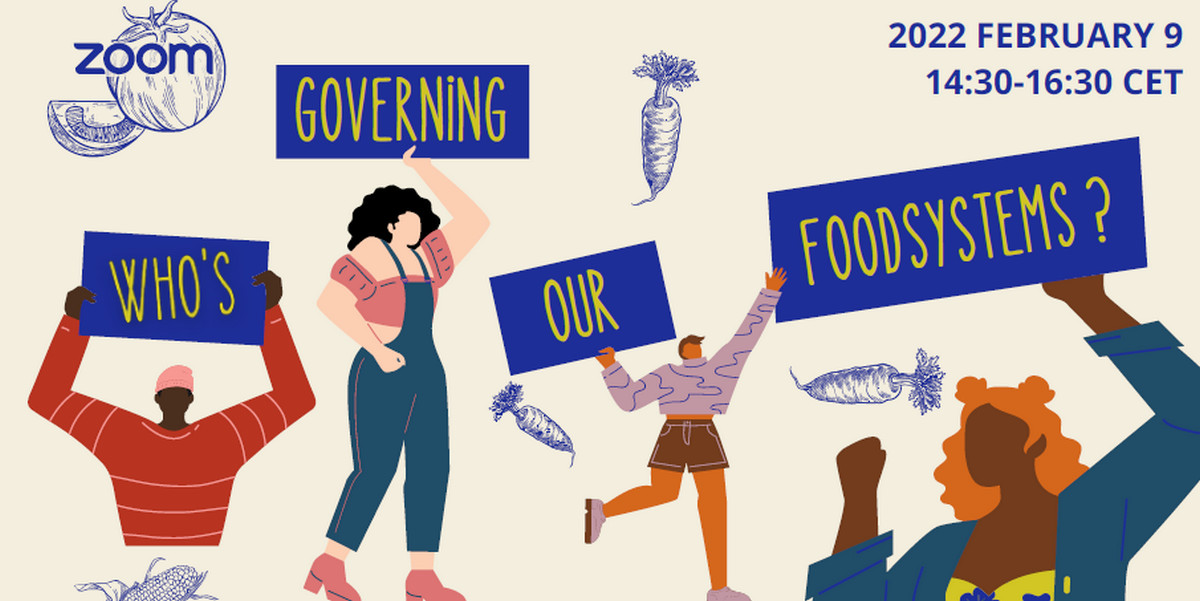
Press release: “Who is governing our food systems?”
February 4, 2022ONLINE EVENT – FEBRUARY 9TH 2022 (14:30-16:30 CET) On February 9th, European members of the Peoples’ Autonomous Response to the […]
-
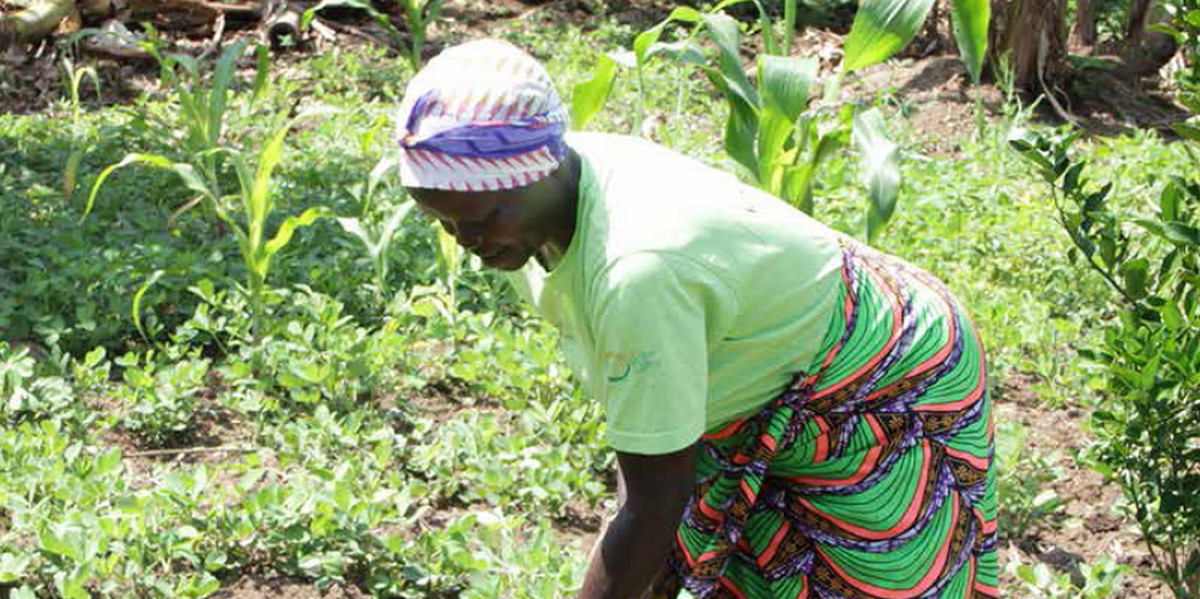
Agroecology: Our Land is Our Life
January 10, 2022New publication by the Alliance for Food Sovereignty in Africa (AFSA), a member of the “Our Land is our Life […]
-

News from CIDSE – November-December 2021
December 20, 2021Read our latest newsletter for an overview of our activities from November and December and find out what’s coming next! […]