
SYSTEMIC CHANGE
The crises that we face in our areas of work are not isolated. They are connected by root systems of injustice, such as patriarchy, colonialism, and the logic of market growth. The concentration of power has allowed the unsustainable and unjust exploitation of people and our common home. The exclusion of communities from decision making processes has ignored viable alternatives.
CIDSE has been in a several year process of reflection, consultation and envisioning on a systemic change that would address structural injustices. We no longer elaborate policy proposals in silos, but through interdisciplinary discussions to find coherent solutions. We are counteracting power imbalances in the development sector by sharing the voices of the most affected, accompanying social movements, and supporting the representation of the perspectives of our partners and allies in international policy negotiation. This is a new and ongoing process to try to truly live our values in the way we work, and to effect transformational change.

Nicky Broeckhoven
broeckhoven(at)cidse.org
BLOG

Publications

-
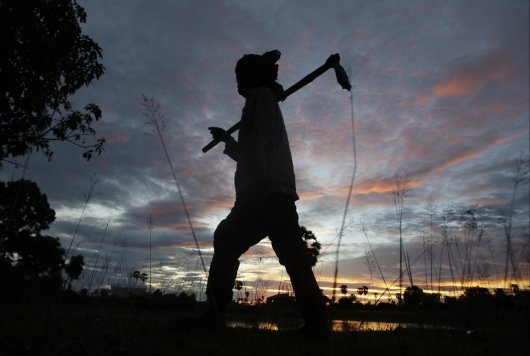
Building stronger communities through agroecology: an essential step to fight
October 14, 2016Less than a year ago the Paris agreement on climate change was signed. I followed the negotiations closely, and when […]
-
People’s solutions to climate and agriculture
October 14, 2016This year’s World Food Day theme, celebrated on October 16, reflects on the effects of climate change on our food […]
-

“Laudato Si’” and the path to COP 22 in Marrakech
October 3, 2016A conference on tackling climate change featuring CIDSE’s intervention took place on 28th September at the Vatican City.
-
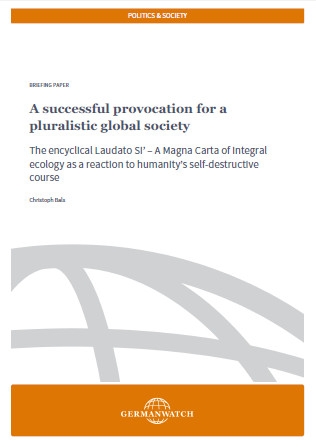
A successful provocation for a pluralistic global society
September 29, 2016The encyclical Laudato Si’ – A Magna Carta of integral ecology as a reaction to humanity’s self-destructive course. Briefing Paper […]
-

Churches and Mining Network calls for building alternatives to extractivism.
September 12, 2016“Mining megaprojects don’t solve the economic problems of our countries; on the contrary, they have harmful effects on our people, […]