
SYSTEMIC CHANGE
The crises that we face in our areas of work are not isolated. They are connected by root systems of injustice, such as patriarchy, colonialism, and the logic of market growth. The concentration of power has allowed the unsustainable and unjust exploitation of people and our common home. The exclusion of communities from decision making processes has ignored viable alternatives.
CIDSE has been in a several year process of reflection, consultation and envisioning on a systemic change that would address structural injustices. We no longer elaborate policy proposals in silos, but through interdisciplinary discussions to find coherent solutions. We are counteracting power imbalances in the development sector by sharing the voices of the most affected, accompanying social movements, and supporting the representation of the perspectives of our partners and allies in international policy negotiation. This is a new and ongoing process to try to truly live our values in the way we work, and to effect transformational change.

Nicky Broeckhoven
broeckhoven(at)cidse.org
BLOG

Publications

-
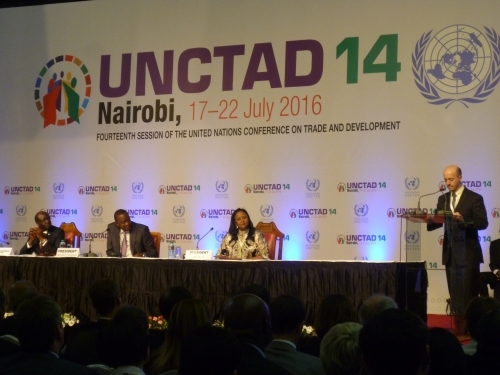
UNCTAD 14: Nairobi “Maafikiano” barely saves minimal finance and development
July 28, 2016Aldo Caliari of Center of Concern, CIDSE’s US member and Director of the Rethinking Bretton Woods Project, reports on the […]
-
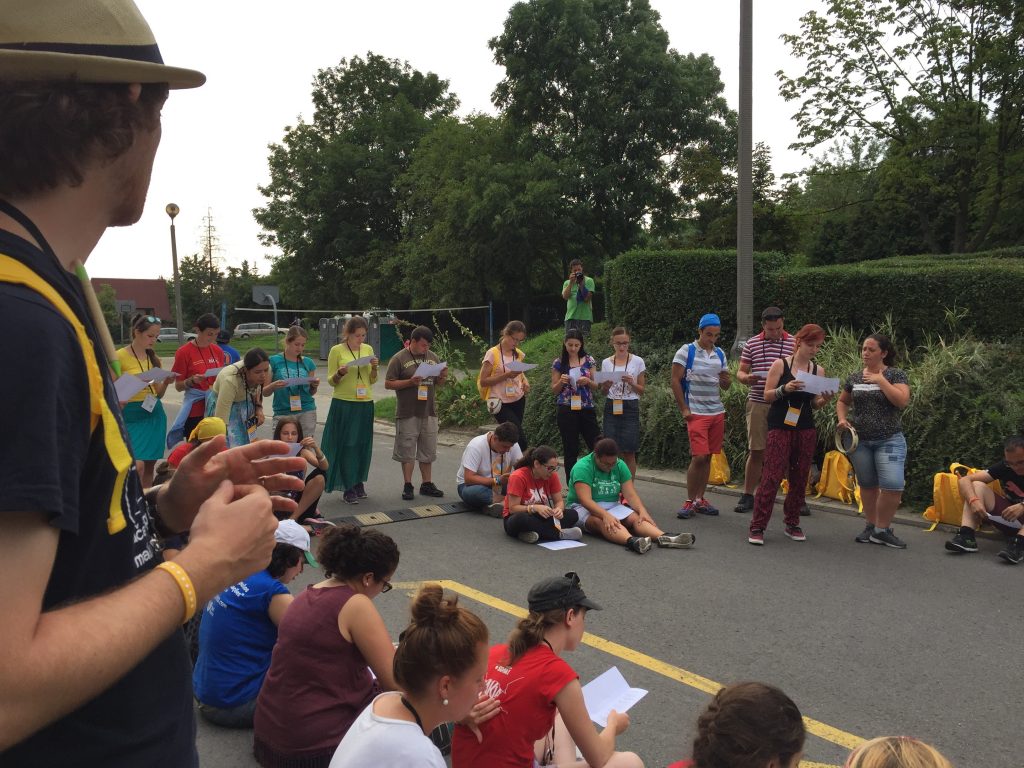
Moving Towards Sustainable Lifestyles at World Youth Day 2016
July 28, 2016With its official opening on Tuesday July 26, the Laudato Si’ Eco-Youth Festival at Park Krowodorksi in Krakow aims at […]
-

Ready for World Youth Day 2016 in Poland!
July 19, 2016CIDSE’s Joint Action Campaign ‘Change for the Planet – Care for the People’ will be present at World Youth Day […]
-

Brexit: Making decision makers remove their blinders
July 11, 2016A few days ago, Brexit knocked Europe down. While digesting this shocking news, emotions started popping up: joy (for some), […]
-
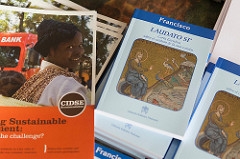
One year on, the Pope’s encyclical on the environment is
June 23, 2016In June 2015, CIDSE welcomed the Pope’s hope for a profound “ecological conversion” and advocated for a fair and binding […]