
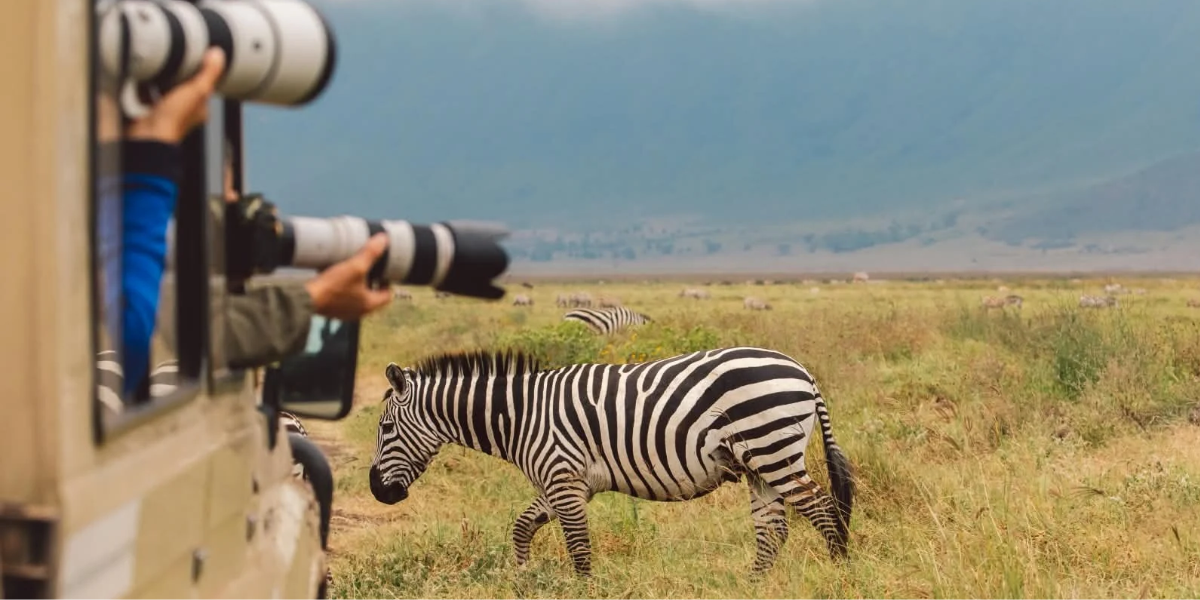
Our Land, our Life, our Future: A Model for Just and Fair Tourism in Tanzania, A report by the Maasai International Solidarity Alliance (MISA)
Background
Tourism in Northern Tanzania is commonly presented as a national success story. Visitor numbers rise, revenues grow, international awards are won and new attractions are promoted. Ngorongoro and Serengeti lead this game of international tourism campaigns and prestige.
Yet, these headlines do not show what really happens to lives and livelihoods of the people whose land is turned into tourist destinations. They fail to expose who controls and grabs the land, who makes the decisions, who benefits and who bears the social, political and environmental costs. For Maasai communities, the central question is not simply whether tourism generates revenue. It is whether tourism promotes and protects the rights and livelihoods of the people whose lands and stewardship underpin the tourism industry.
This new report by the Maasai International Solidarity Alliance critically examines four major issues associated with tourism in Northern Tanzania:
- Safari tourism contributes to land alienation and restricts access to grazing areas and key strategic resources.
- Trophy hunting grabs land and violates human rights: it raises serious moral, ethical and environmental concerns.
- Tourism is taking place without our community consent.
- Our community is not benefiting from tourism.
Four key demands to the Tanzanian government, the international community, and public funders of biodiversity conservation and nature-based tourism are outlined to ensure their programmes, policies and funding respect the rights of the Maasai communities and support a different tourism model:
- No land grabbing, no tourism without coexistence.
- No trophy hunting.
- No tourism without consent.
- No tourism without community benefits.
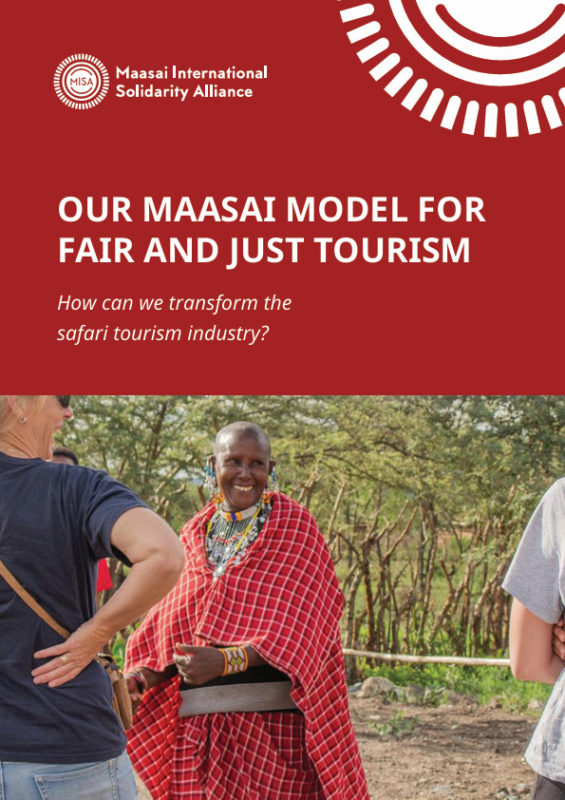
The report also proposes a Maasai model for fair and just tourism. This model is the outcome of a participatory process involving over 600 people from 24 villages in the districts of Ngorongoro, Monduli, Simanjiro and Longido, including women, Morans/youths, elders, traditional leaders, and village council representatives. It will be used as a tool for dialogue, alliance-building with other pastoralist and indigenous communities, and transformative change.
“Tourism must respect Maasai land, dignity, culture and human rights It must be community-led and benefit our community.”
Additional information
- The Maasai International Solidarity Alliance (MISA) is an international alliance standing in solidarity with the Maasai of Northern Tanzania whose members include CIDSE, Misereor, KOO and its member Welthaus, and Maryknoll Office for Global Concerns. They bring together international faith-based organisations, human rights organisations, international aid and development organisations, as well as grassroots organisations, individual activists, researchers and lawyers representing the Maasai in several land cases.
- The Maasai model for just and fair tourism in Tanzania was officially launched on 3rd November 2026 at an event in Geneva, co-organised by MISA, Society for Threatened People, FIAN and Vivat International.
- From 1st to 18 November 2026, a Maasai delegation will tour Switzerland, France, Belgium, Austria and Germany as part of a European Lobby tour to raise awareness of the human costs of green colonialism in Tanzania and advocate for alternatives that respect the Maasai human rights.
CIDSE contact: Emmanuel Yap, Food and Land Policy Officer (yap(at)cidse.org)
Cover image: Safari in Northern Tanzania. Source. MISA.