
The next step must prioritise substance over speed
As negotiations on a UN legally binding instrument on business and human rights enter a critical phase, CIDSE and its member organisations call for a clear timeline, meaningful participation and a new approach to the negotiations.
After more than a decade of negotiations, the process towards a legally binding UN instrument on business and human rights is approaching a decisive stage. The 12th Session of the Open-ended Intergovernmental Working Group (OEIGWG), scheduled for 12 to 16 October, 2026, will be an important opportunity to determine how the negotiations can move towards an effective outcome.
In a statement published on the Programme of Work for the 12th session in the frame of a consultation called by the Chair Rapporteur, CIDSE and its member organisations stress that the quality of the final instrument must prevail over a deadline for concluding the negotiations.
The next draft of the instrument will require careful scrutiny by States, legal experts, civil society and, most importantly, people and communities affected by corporate-related human rights and environmental abuses.
CIDSE and its member organisations highlight that, after more than a decade, the goal should not simply be to finish the negotiations. It should be to get them right. The credibility of the process will ultimately depend on whether it delivers a strong and effective instrument capable of strengthening corporate accountability and access to justice and remedy for people and communities affected by business-related human rights and environmental abuses.
CIDSE contact: Susana Hernández Torres, Corporate Regulation Officer (hernandez(at)cidse.org)
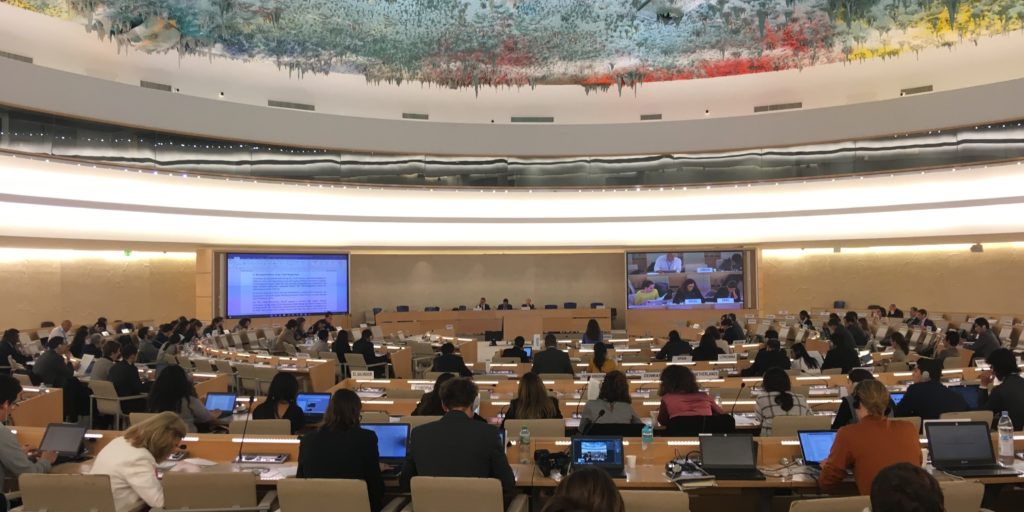
Cover image: United Nations Headquarters negotiation room, Geneva. Credit CIDSE.