
Catholic organisations say the failure lies with those blocking ambition, not with multilateralism
Brussels, 22 November 2026 – COP31 in Antalya closed without consensus on the cover decision. Panama, Tuvalu, the EU, the UK and others formally objected to the final cover decision presented by the Presidencies, refusing to accept a text without a clear path and mechanism away from fossil fuels. The lack of consensus is a setback, but it also shows that parties are no longer willing to settle for less.
Three years after nations agreed in Dubai, at COP28, to transition away from fossil fuels, CIDSE, the international family of Catholic social justice organisations based in Brussels, says the “implementation COP” failed to provide the means to implement this transition.
As Catholic organisations, CIDSE and its members came to COP31 hoping to see in Antalya the energy and commitment shown in Santa Marta at the First Conference on Transitioning Away from Fossil Fuels. That is not what happened in Türkiye. Weak texts, late nights, and no mention of transitioning away from fossil fuels in the cover decision, let alone a transition roadmap.
On climate finance, progress was stalled by the EU and other developed countries, weakening the call made in Belém (COP30) to at least triple adaptation finance by 2035. On just transition, developed countries refused to make it a constituted body, going back on what was promised in Belém last year, during COP30.
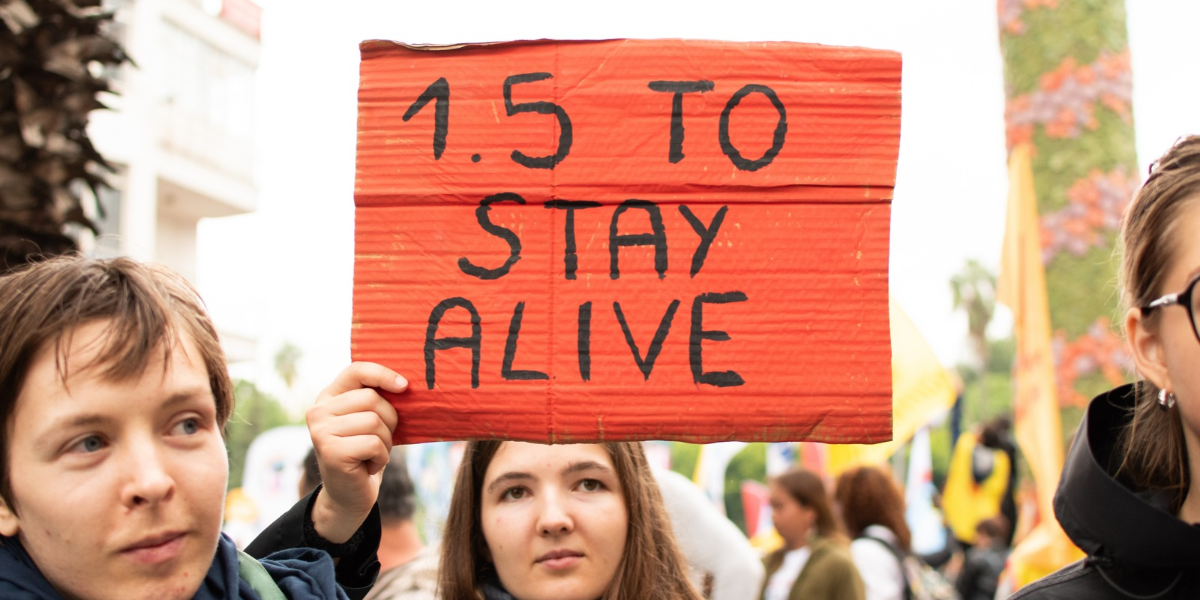
Holding the line on fossil fuels was not a rejection of multilateralism. With the world set to overshoot 1.5°C, it was a refusal to sign away the communities who would pay the price. But the EU can’t hold the line on fossil fuels while holding back the finance that makes the transition possible for the countries most affected. Without money for adaptation and a just transition, the cost of the climate crisis falls once again on those who did least to cause it.
CIDSE calls on the countries that held the line in Antalya to show the same courage on finance, and on the Santa Marta coalition to bring national roadmaps to the Second Conference on Transitioning Away from Fossil Fuels in Tuvalu in July 2027. And as we prepare for COP32 in Addis Ababa we have hope to change this scenario. We will keep pushing to make sure pledges turn into action, and that affected communities remain at the center of these discussions, as they deserve justice, not charity.
Reactions from CIDSE Network and Secretariat:
“Though it is sad, we would rather leave Antalya with nothing than with a text that puts false solutions forward instead of naming the climate crisis’ main cause. Staying silent at COP on fossil fuels is not an acceptable compromise, it is a step back from what the world ahd agreed to in Dubai. As is clear from the reactions of communities most hit by Climate change, human dignity and care for our common home are non negotiable. We must hold the line together, for the most vulnerable, for multilateralism, and for real and courageous action”.

Josianne Gauthier – Secretary General at CIDSE.
“Thanks, but no thanks! COP31 promised dialogue consensus, and action, but the Antalya pact ended with a push for electrification and no consensus without a clear commitment to phase out fossil fuels or to close the adaptation and climate finance gap. Betting on unproven future carbon-removal technologies (CCUS) and geoengineered solutions delays real emissions reduction, systemic change and threatens lives and livelihoods. While we’re aware of the proposed voluntary COP30 presidency’s Roadmap for Transitioning Away from Fossil Fuels in Energy Systems, CIDSE will carry this fight forward through the Santa Marta Process toward its 2027 pre-conference in Ireland and the JTAFF-2 conference in Tuvalu working with representation of frontline and faith communities, holding governments accountable for a just and equitable fossil-fuel phase-out without false solutions”.

Lydia Machaka – Climate Justice Policy Officer at CIDSE.
“More than a decade after the Paris Agreement, and Pope Francis’ landmark document, Laudato Si, communities with the least to blame are being the hit the hardest with a significant lack of finance to enable them to respond”.
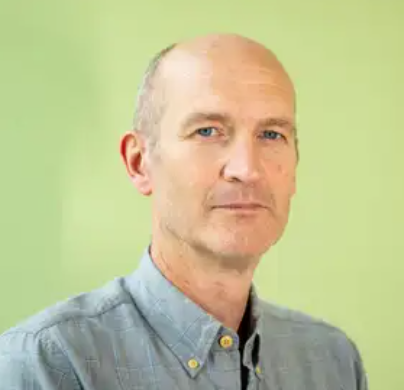
Neil Thorns – Director of Advocacy and Communications at CAFOD (England and Wales).
“It is nothing short of staggering that the EU and its member states came to COP empty-handed, offering neither new commitments to support the poorest countries nor a viable plan for achieving the 2035 climate finance goal and then chose to criticize other nations for blocking progress.
After the near-collapse of the talks it is still unsolved what the Climate Finance Work Program will actually do; the promise to the most vulnerable, to triple adaptation finance by 2035, didn’t become more tangible; and whether the Veredas dialogues will contribute to stopping all the money that goes into fossils instead of renewables keeps a mystery.
Now that ministers are heading home, developed and wealthy countries must step up their financial commitments to protect vulnerable communities in the Global South and within their own borders by ensuring that those most responsible for the climate crisis shoulder a greater share of the costs of climate action.”
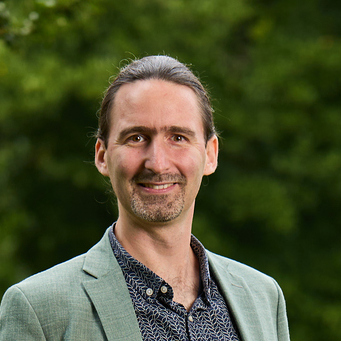
Martin Krenn – Policy Officer for Development and Climate Policy at the Austrian Bishops’ Conference for International Development and Mission – KOO (Austria).
“COP31 made hardly any progress. The second global stocktake (GST) launch is welcome, but governments are still behind on implementing the first stocktake. The GST must now correct the failures at COP31 and clearly assess whether Parties are on track — covering emissions reductions – including fossil fuel phase‑out, adaptation, loss and damage, and the necessary climate finance. Ahead of COP32, all parties, civil society, academia and other relevant institutions must urgently feed into the technical phase”.
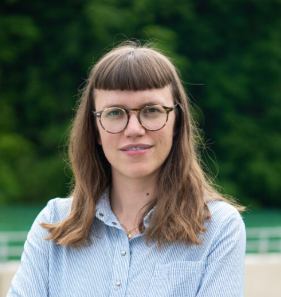
Bettina Duerr – Programme Manager for Climate Justice at Fastenaktion (Switzerland).
“COP31 has ended on a very disappointing note, particularly regarding fossil fuels. Dependence on fossil fuels leaves communities in the Global South particularly vulnerable. When rising fuel prices prevent farmers from bringing their harvests to market, livelihoods and food security are at risk. We need a globally coordinated and just and equitable transition away from fossil fuels towards renewable energy systems that strengthen local resilience and put people and their rights at the centre.”
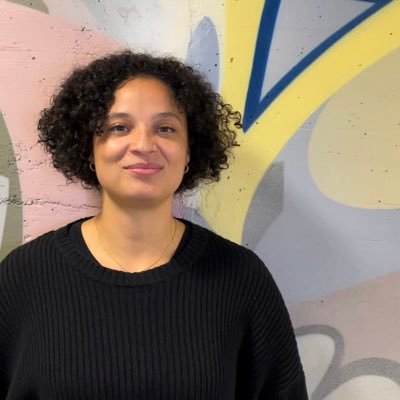
Eva Moldovanyi – Programme Manager for Climate Justice at Fastenaktion (Switzerland).
“While the COP process is failing to deliver on a just transition away from fossil fuels, new alliances are emerging. And it is precisely countries of the Global South that are showing political leadership on the fossil fuel phase-out. The growing support for a Fossil Fuel Non-Proliferation Treaty and national roadmaps shows that more and more countries are ready to move forward together on ending coal, oil and gas. We must not lose this momentum now. COP31 laid bare the tensions between fossil fuel interests and a growing majority that knows: anyone serious about tackling the climate crisis must address its fossil causes. The good news from Antalya is that a growing number of countries are ready to lead the way. Now we need to turn this momentum into a global movement for a just fossil fuel phase-out”.
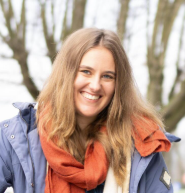
Madeleine-Alisa Wörner – Global Energy and International Climate Policy Officer at Misereor (Germany).
“As a Super El Niño unleashes unprecedented droughts, wildfires, and floods, the already small delegations of the most vulnerable nations once again had to spend their energy simply preventing backsliding on climate action. They were demanding answers to a central question: How do the main culprits of the climate crisis intend to close the glaring gaps in climate finance? It’s a skandal that those who have contributed least to the climate crisis are walking away with yet another promise of mere pennies in their pockets”.
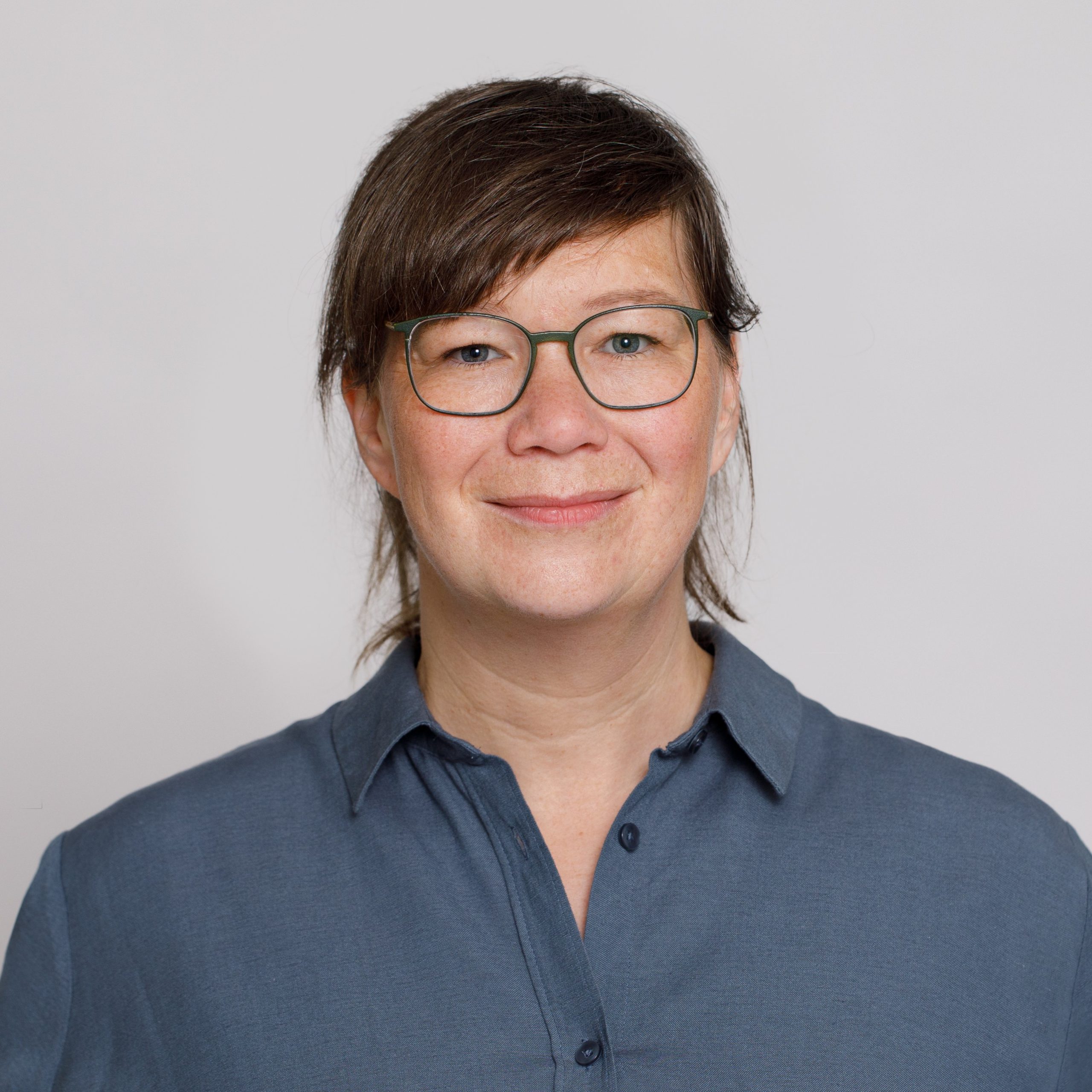
Anika Schroeder – Policy Officer for Climate Change and Development at Misereor (Germany).
“COP31 abandoned small scale farmers, pastoralists and rural communities throughout the Global South. As harvests are disrupted, livelihoods disappear and food insecurity grows, ‘fend for yourselves’ is the message from Antalya. After years of discussions on climate action on agriculture and food security, the outcome to continue talking in 2027, instead of making decisions that could have supported locally led adaptation and resilience building, represents a very real setback. With the impacts on agriculture from an intense El Nino becoming apparent over the coming months, a commitment from all Parties to prioritise climate action in agriculture is more urgent than ever.”
Michael O’Brien – Policy Advisor at Trócaire (Ireland).
“COP31 closed without a final agreement because Pacific Island nations and allies—backed by Indigenous peoples and frontline movements—refused to sign a text that erased fossil fuels. As Türkiye’s Bishop Antuan Ilgit, S.J. warned in Antalya, we cannot keep ‘burying our conscience in diplomatic evasion’ while lives and island nations are lost. We remain committed to the UN table to hold future COPs accountable for naming and phasing out fossil fuels, while simultaneously advancing complementary coalitions of the willing—like the upcoming second Transition Away from Fossil Fuels conference (TAFF 2), co-hosted by Ireland and Tuvalu and rooted in the Pacific spirit of tuakoi—to drive immediate action and raise ambition across the global system”.
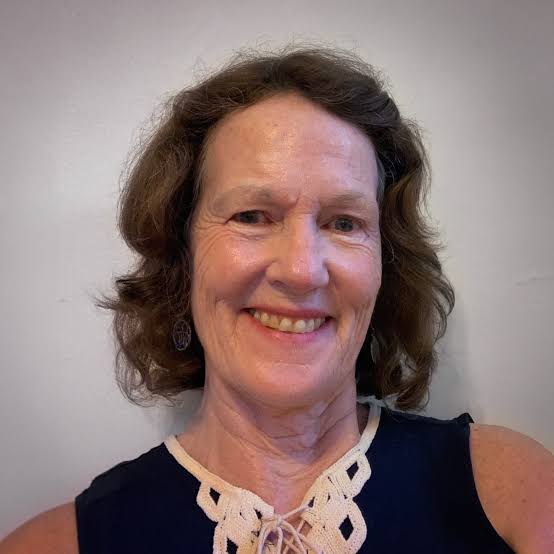
Lisa Sullivan – Senior Program Officer for Integral Ecology at Maryknoll Office for Global Concerns (USA).
Contacts:
Lydia Machaka, CIDSE Climate Justice Officer, machaka(at)cidse.org
Annia Klein, CIDSE Communications Officer, klein(at)cidse.org
Notes to editors
- CIDSE is an international family of Catholic social justice organisations. We work with global partners and allies to promote justice, harnessing the power of global solidarity to achieve transformational change for people and the planet.
- CIDSE’s COP31 full programme: CIDSE@COP31.
- CIDSE has publicly endorsed the Fossil Fuel Non-Proliferation Treaty initiative and has long worked on the social, environmental and human rights impacts of extractive industries.
- In Santa Marta in 2026, CIDSE worked with CELAM, Cáritas Colombiana, the Diocese of Santa Marta, the World Council of Churches, the Laudato Si’ Movement and SICSAL on a common faith-based call for a just transition. Episcopal Conferences from Asia, Latin America and Africa have since launched the Manifesto of the Churches of the Global South for Our Common Home.
Cover image: Climate March in Antalya, Turkiye. November 14 2026. Credit: CIDSE.